
CNC milling is used for the precision machining of harder materials and complex parts, while CNC routing is better suited to high-speed cutting of softer materials and larger-scale projects.
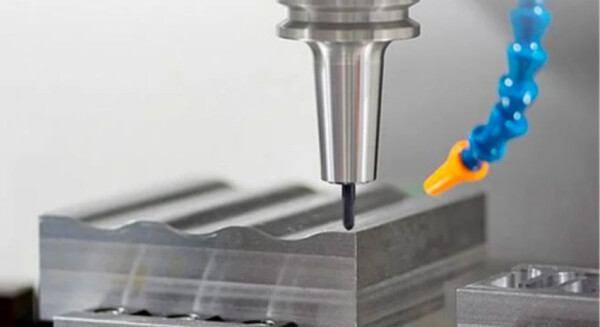
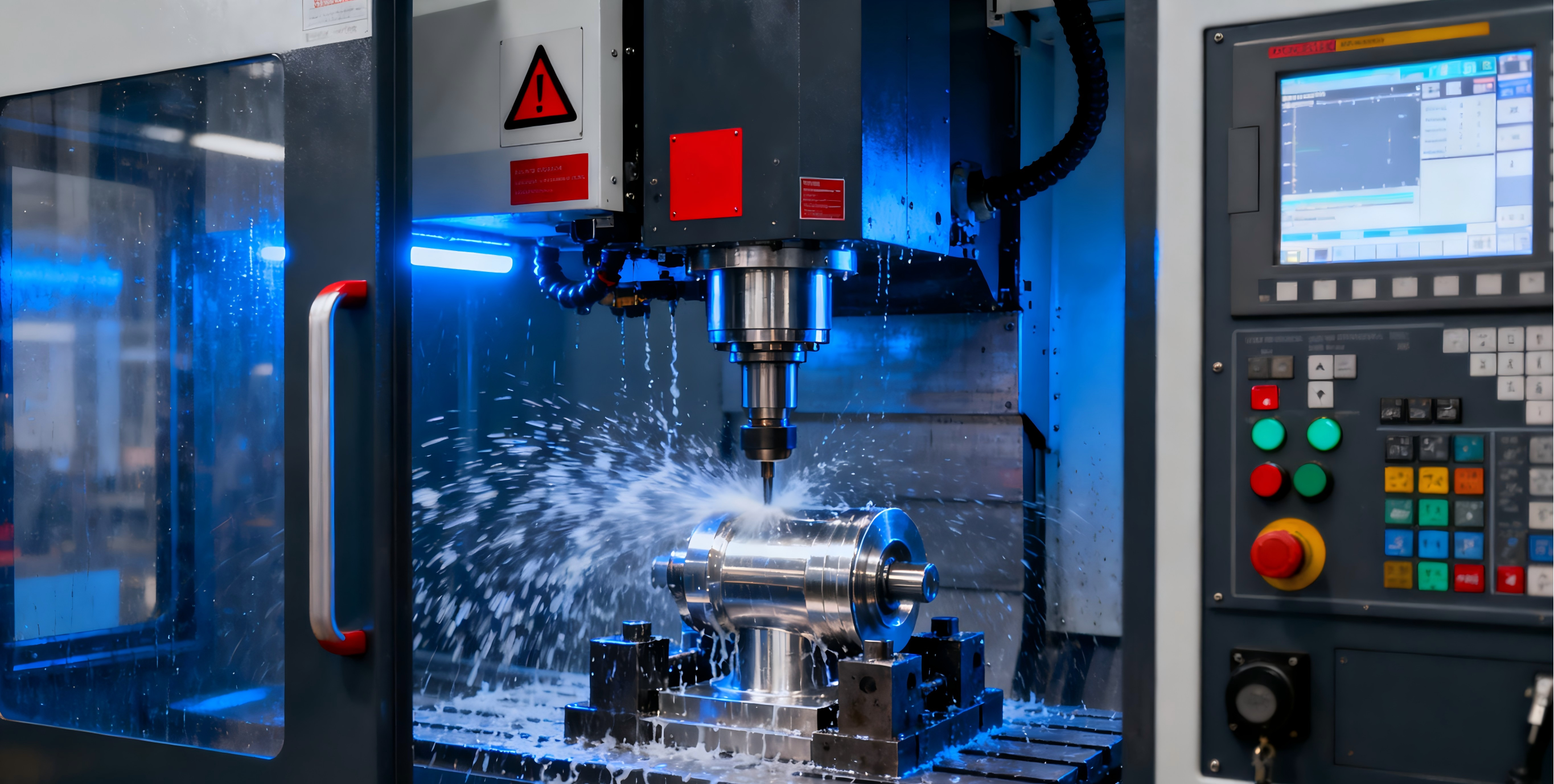
CNC milling machines operate with higher precision and are ideal for complex, high-precision parts with intricate details — mechanical components, molds, and aerospace parts, for example. They cut metals and engineering plastics with rigid spindles and controlled tooling.
CNC routers focus on softer materials like wood, plastic, and foam. They typically offer less precision than mills, because they are designed for high-speed, large-area cutting of flat or simple 3D shapes — sign boards, panels, cabinet parts, and other sheet materials.
The practical question is what the part is made of and how much precision it needs. If the material is metal or the geometry demands tight tolerances and fine detail, a mill is the right machine. If the job is large-format cutting of wood, plastic sheet, or foam where speed matters more than micron-level accuracy, a router is the better fit.