
CNC machining is more cost-effective for simple parts. Complex geometries are possible but often require multi-axis setups, which increases time and cost. Tool access limits design flexibility, since cutting tool size and angle determine what a cutter can actually reach — sharp internal corners, deep pockets, and fine internal features all constrain the design.
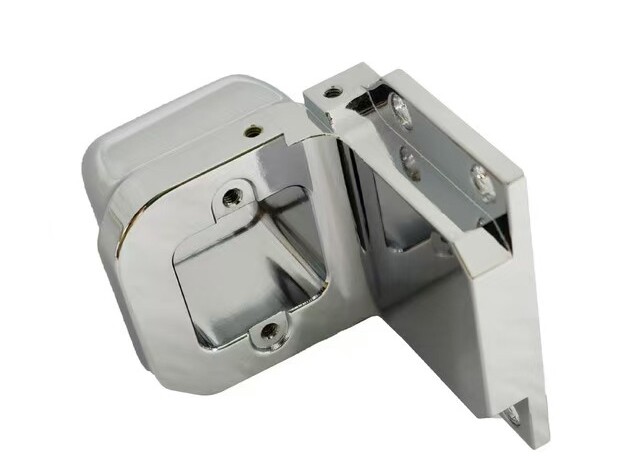
High start-up costs can raise per-part pricing for small batches: programming, fixturing, and inspection are spread across fewer parts, so unit price stays high until the quantity rises. As a subtractive process, CNC also generates material waste — the difference between the stock and the finished part is machined away. However, raw material blanks are typically cheaper than the powders used in additive manufacturing, which helps offset waste-related costs.
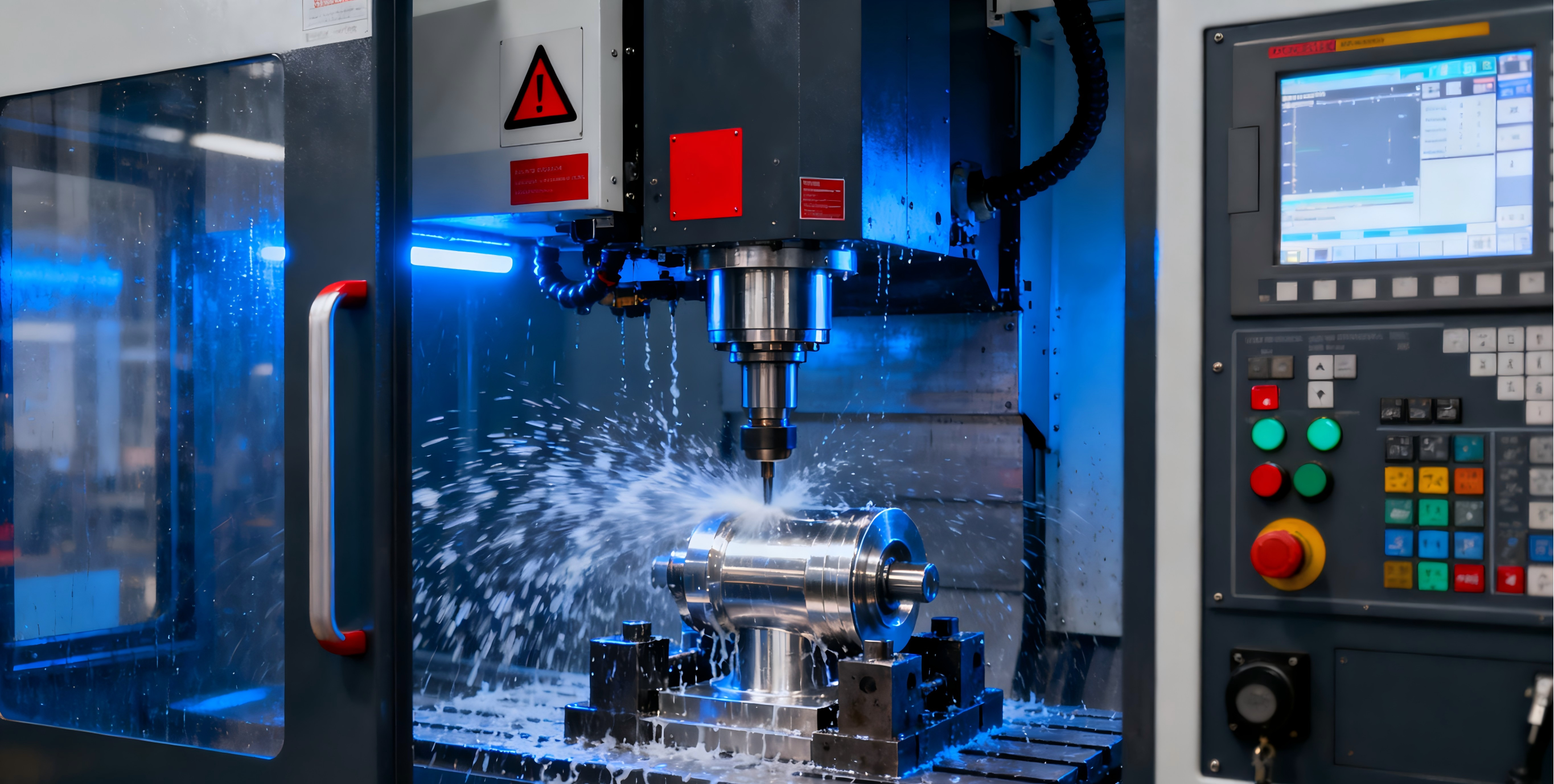
The practical takeaway is that CNC machining rewards design-for-manufacturability: generous internal radii, accessible features, and realistic tolerances cut cost more than any supplier discount. If the design fights the process, the quote reflects it.