
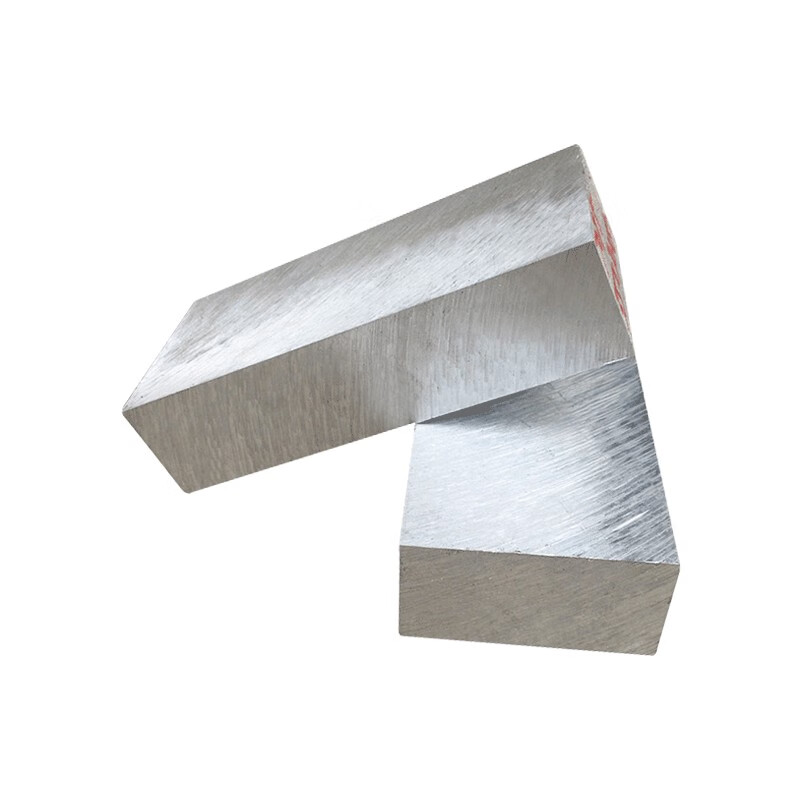
There are many types of materials suitable for CNC machining, and choosing the right one often determines product performance, cost, and manufacturing efficiency. However, different materials vary significantly in mechanical strength, corrosion resistance, machinability, and appearance. An improper material choice can increase machining difficulty, affect quality, and raise production costs. This article explains how to select the right material for CNC machining based on performance requirements, machining characteristics, and application scenarios, helping you make better decisions in design and production. Meanwhile, Horizon’s professional engineering team can provide material selection guidance and machining support to ensure your project is executed efficiently and reliably.
Core Factors in Material Selection
At different stages of product development, the priorities for material selection often vary. For example, during the conceptual design phase, engineers focus more on whether the material can meet structural and functional requirements; while in the machining and mass-production phases, machinability, cost, and stability become more critical. Overall, the following four factors form the core basis for selecting materials for CNC machining.
Mechanical Properties
In machining, the inherent mechanical properties of a material are the primary consideration. Different materials vary in mechanical strength, hardness, and corrosion resistance. Material selection should be based on the application scenario—for example, outdoor components require materials with good corrosion resistance, while high-precision moving parts emphasize wear resistance and dimensional stability. Therefore, it is essential to choose the material that best matches the final use of the product.
Machinability
Machinability directly affects production efficiency and product quality. Different materials require varying tool speeds and feed rates during machining, and tool wear also differs. For example, when machining high-hardness materials, compared to brass, not only is the processing time longer, but tool life is also shortened, and surface quality may be affected. Materials such as aluminum alloys and brass are known for excellent machinability, making them particularly suitable for projects demanding high efficiency and precision.
Cost Factors
Cost includes not only the price of raw materials but also additional expenses caused by machining difficulty, such as tool consumption and extended processing time. The harder the material is to machine, the higher the overall manufacturing cost. Therefore, it is necessary to balance performance requirements with budget constraints.
Appearance Requirements
Some products have additional requirements for appearance and functionality, such as mirror polishing, brushing, color, or thermal conductivity. These factors also influence the final choice of material.
Common CNC Machining Materials

Aluminum Alloys are lightweight, moderately strong, have good heat dissipation, and excellent machinability, making high-precision cutting easy. For example, AL6061-T6 offers moderate strength with good machinability and corrosion resistance; AL7075-T6 provides the highest strength, suitable for high-load structural components; AL6063-T5 has the best heat dissipation. They are widely used in aerospace components, automotive parts, electronic enclosures, and fixtures.

Stainless steels feature high strength, corrosion resistance, and heat resistance, with variations in composition and properties suited to different environments. SUS304 is the most commonly used stainless steel, suitable for general corrosion conditions. SS316 is used in more demanding corrosive environments, such as pharmaceuticals, while SS316Ti is suitable for long-term high-temperature applications, such as high-temperature chemical equipment.
Copper and copper alloys are known for excellent electrical and thermal conductivity, with good machinability and ease of precision cutting, making them suitable for high-precision parts. They are commonly used in electrical components, connectors, and heat dissipation parts, such as C10100 and C26000.

Engineering plastics are lightweight, electrically insulating, chemically resistant, and easy to machine. Among them, PEEK is a high-performance engineering plastic capable of long-term stable operation under high-temperature and harsh environments. Engineering plastics such as POM, PA, PC, and PEEK are widely used in instrument structures, sliding components, fixtures, and medical devices.
Material Selection Based On Application Scenarios
In CNC machining, proper material selection can significantly enhance product performance and manufacturing efficiency. For projects requiring high dimensional accuracy and machining stability, materials with excellent machinability, such as aluminum alloys or POM, should be prioritized. For mechanical parts that need to bear loads or withstand impact, alloy steels, 4140, or high-strength AL7075 aluminum alloys are more suitable. If the working environment involves strong corrosion or high humidity, stainless steel 316 and chemically resistant PEEK are more reliable choices.
In applications with significant lightweight requirements, such as robotic structures or portable devices, aluminum alloys or engineering plastics can be used to reduce weight. For parts requiring good thermal or electrical conductivity, such as heat sinks and connectors, copper and brass are advantageous. In fields like medical devices and food processing, where safety and hygiene are critical, stainless steel 316 and biocompatible PEEK are the most commonly used options.
Common Mistakes and Avoidance Tips
In CNC machining projects, improper material selection often leads to higher costs or production delays. Common mistakes include focusing solely on raw material prices while ignoring machining difficulty, tool wear, and overall processing costs; failing to assess whether equipment and tools can handle high-hardness or high-viscosity materials, which can cause delivery delays; not considering subsequent processes such as anodizing, electroplating, or heat treatment in advance, resulting in material-process mismatch; or selecting oversized materials, leading to unnecessary budget waste.
Therefore, proper material selection should balance performance requirements, manufacturability, and overall cost, finding the optimal point between performance and expense.
Why Choose Horizon?
Proper material selection is the key to successful CNC machining. By clearly defining requirements, balancing performance and machinability, and choosing the most suitable materials, optimal results can be achieved. Horizon brings extensive material expertise and robust machining capabilities, offering professional guidance to ensure your projects are executed efficiently and reliably. To learn more, feel free to contact us.
Latest Post

Liquid Silicone Rubber Molding: Process, Benefits, Applications, and Design Considerations
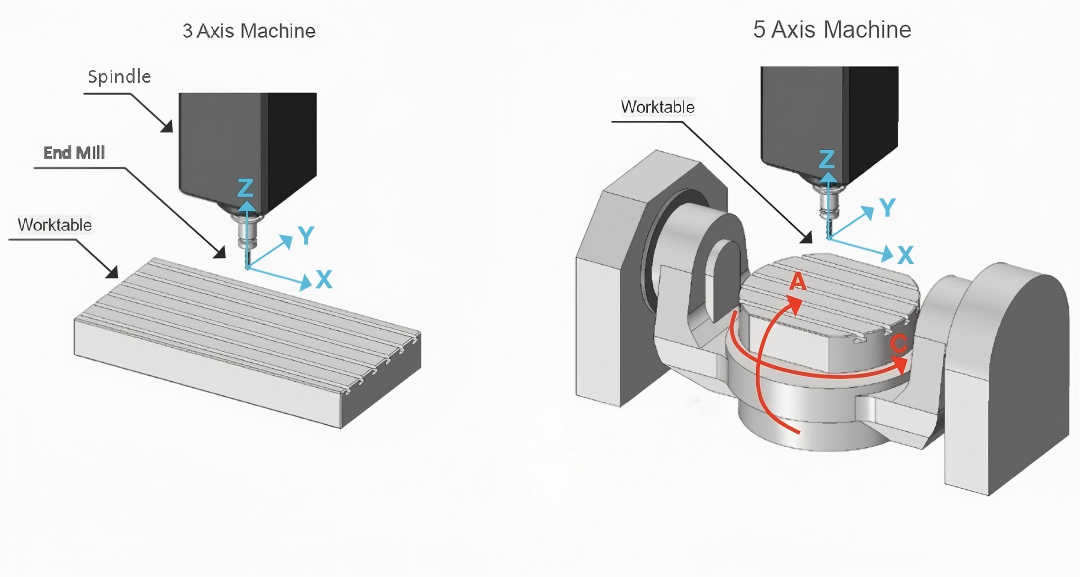
What is a 5-axis machine? The differences from 3-axis machines and their applications.
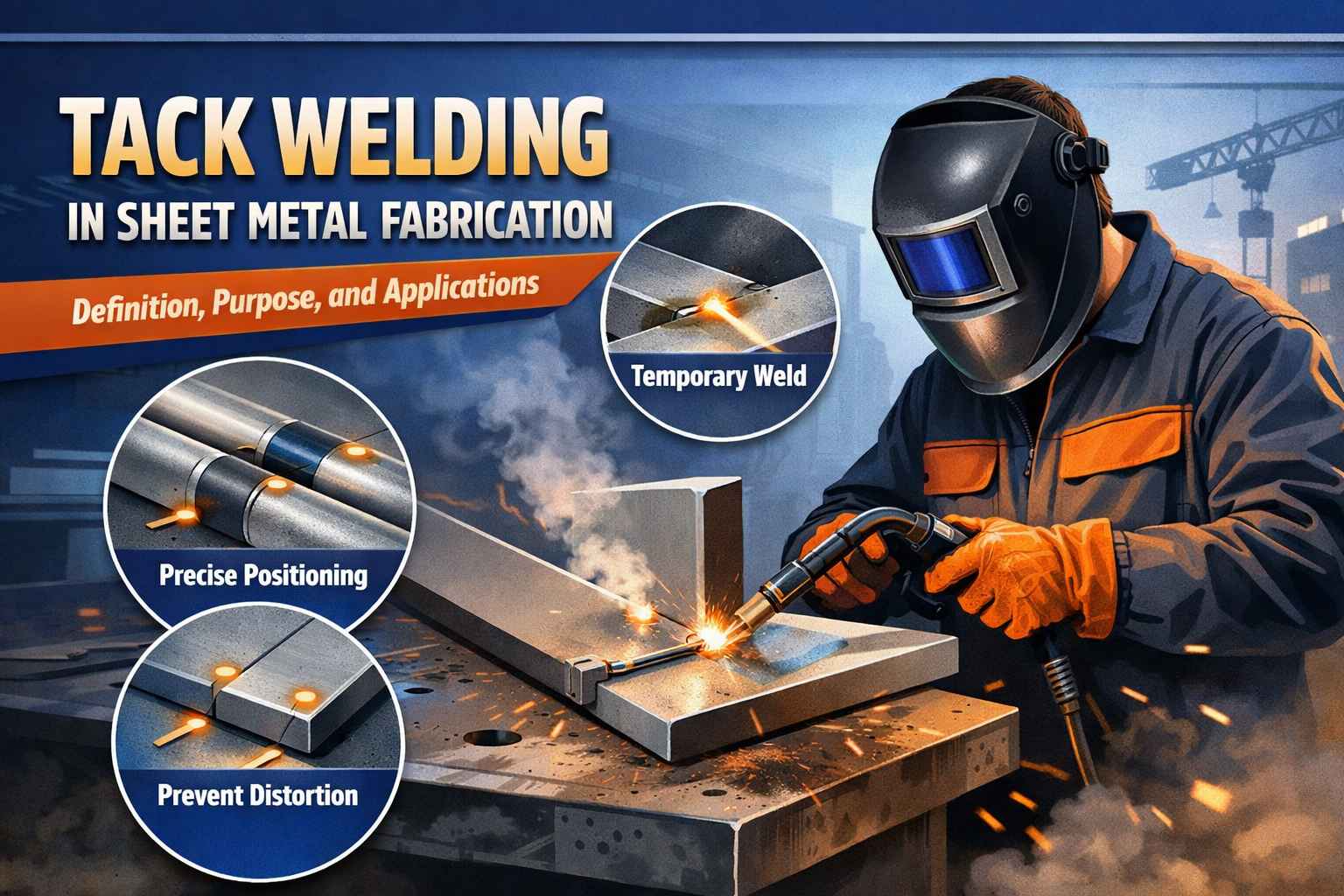
What Is a Tack Weld? Definition, Purpose, and Applications
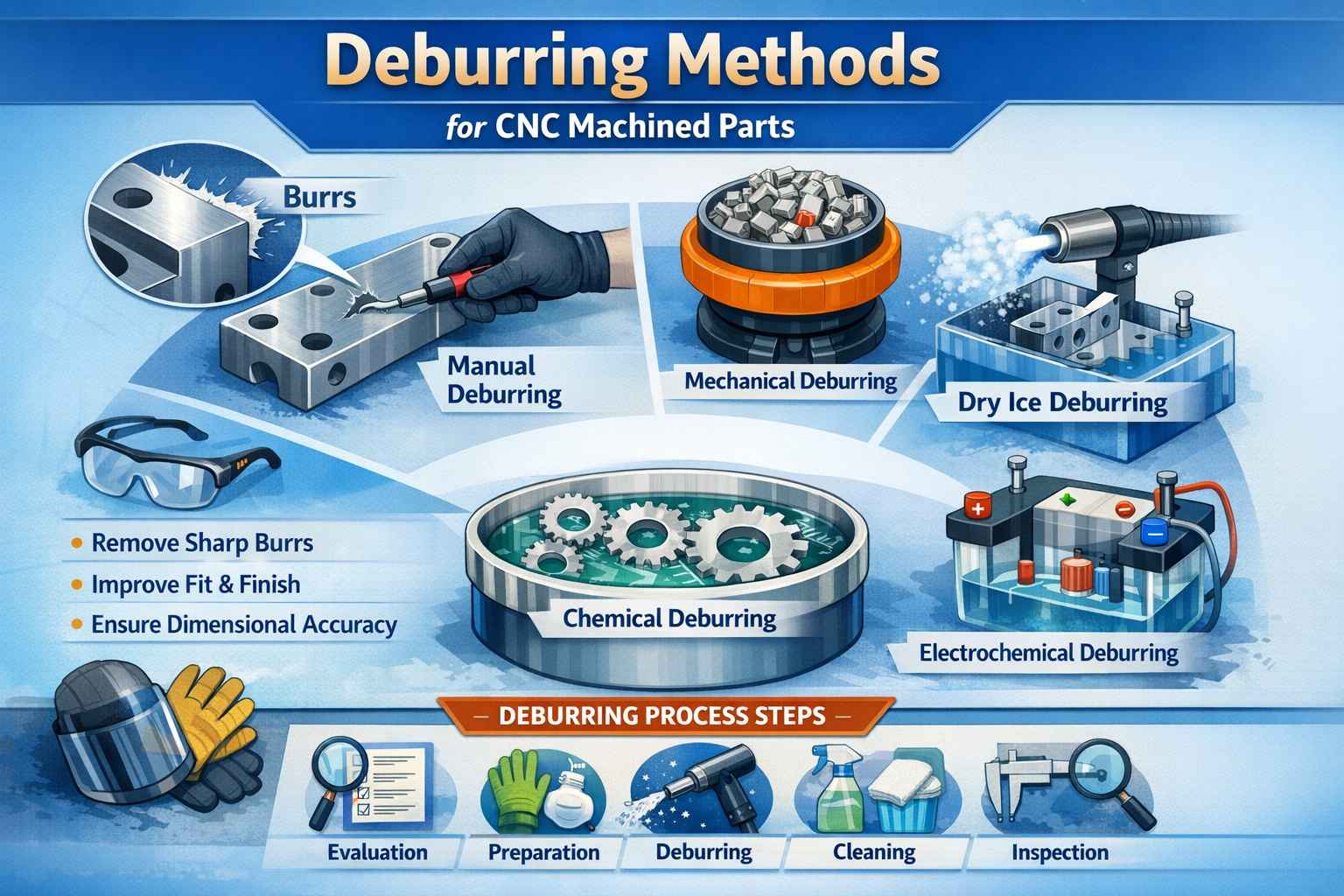
How to Remove Burrs from CNC Machined Parts: Common Deburring Methods Explained