Precision CNC Machining, Rapid prototyping, and Custom parts

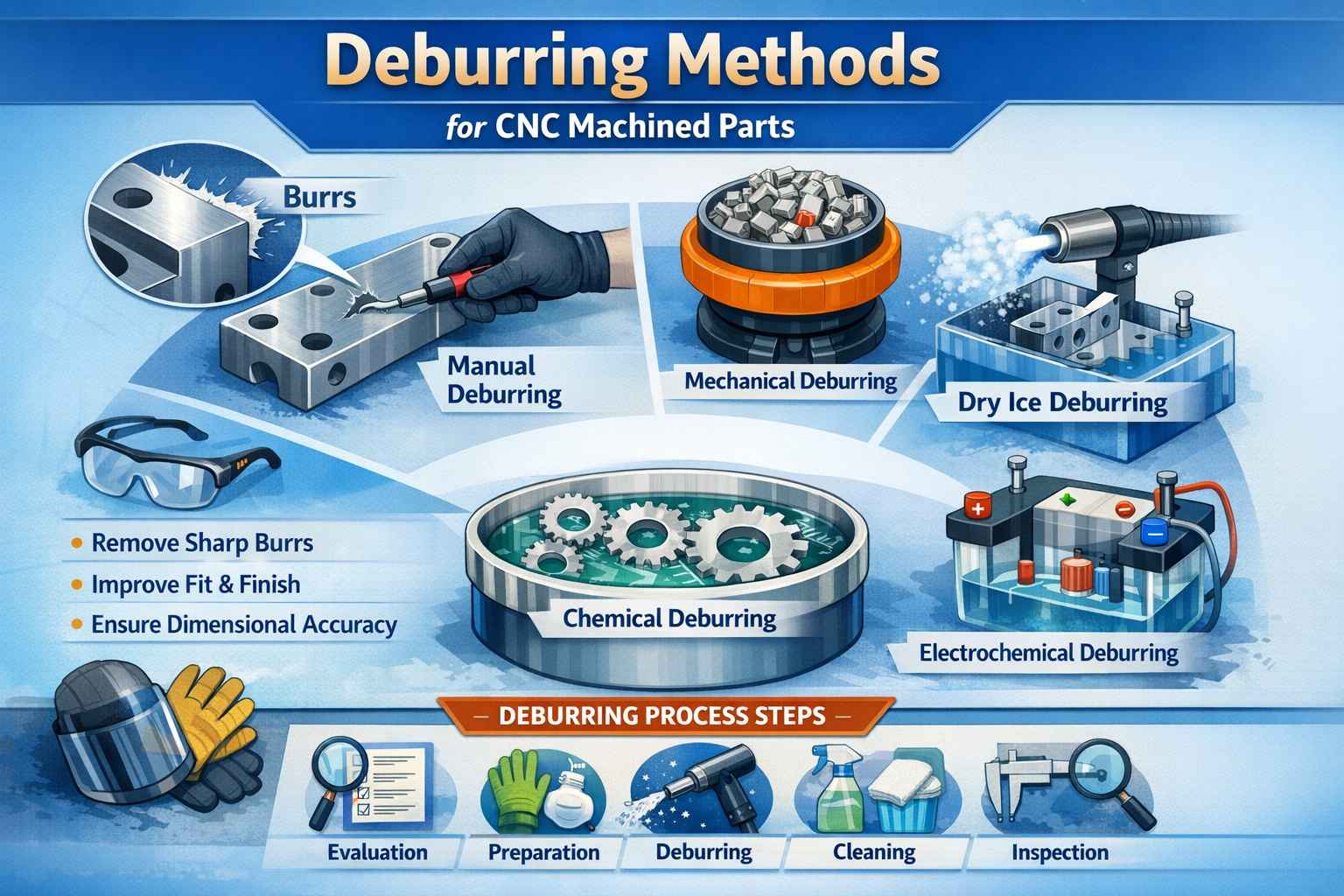
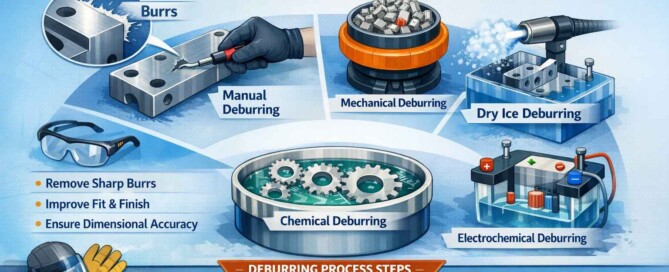
How to Remove Burrs from CNC Machined Parts: Common Deburring Methods Explained

During the CNC machining process, burrs are often formed on edges and hole openings after milling, drilling, turning, and other machining operations. These burrs not only affect the appearance and surface quality of parts, but also cause assembly difficulties. In some cases, they may even pose safety risks to operators or accelerate
By |2026-01-08T16:10:22+08:00January 8th, 2026|

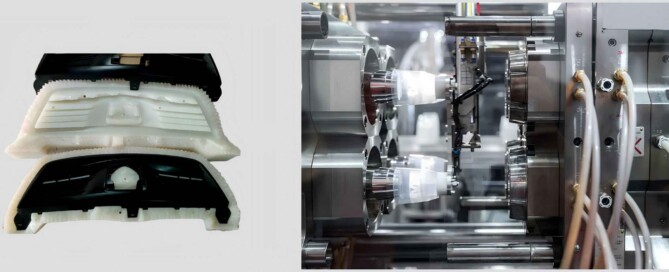
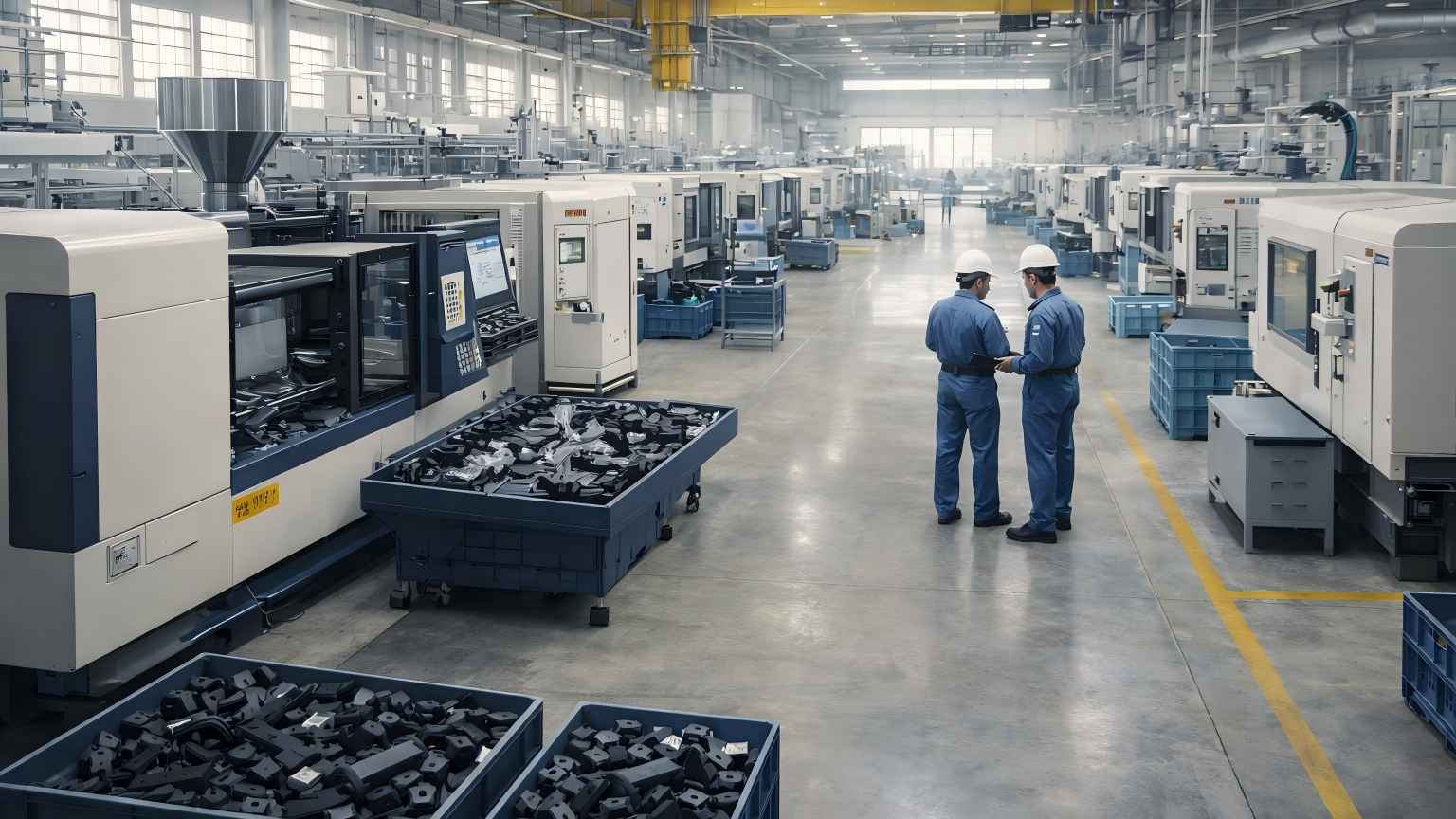
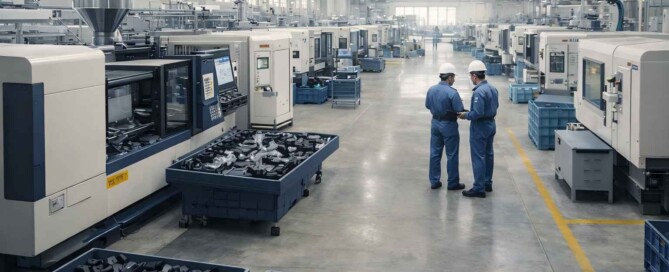
What is industrial-grade injection molding? A guide to design, materials, and mass production for engineers and OEMs.

Industrial injection molding is one of the most widely used manufacturing processes in modern industry. From automotive parts and medical devices to air conditioner housings and consumer electronics, injection molding enables the mass production of high-precision plastic parts while maintaining consistent quality and minimizing costs. For OEMs, product designers, and procurement teams,

By |2026-01-07T11:45:28+08:00January 6th, 2026|

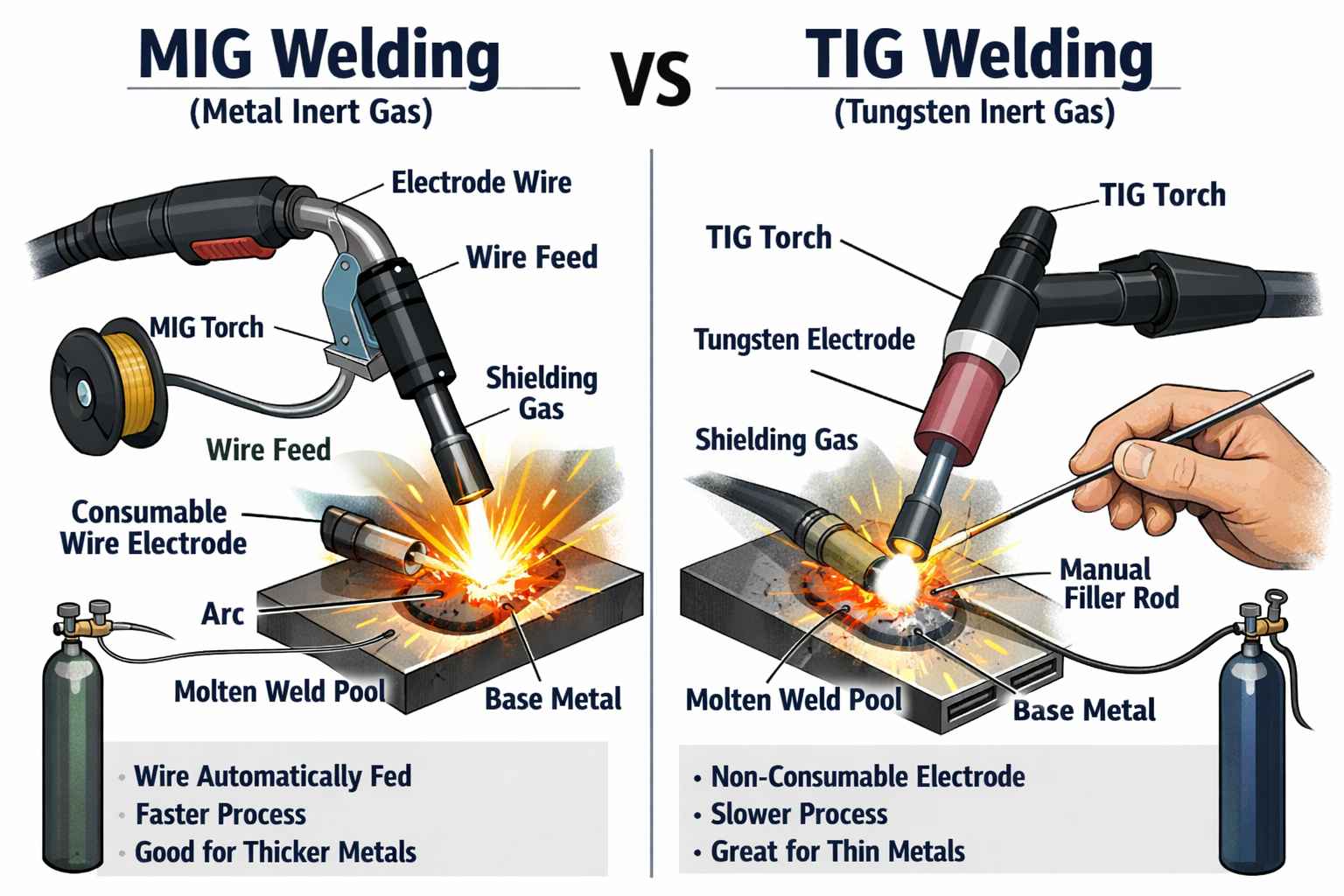
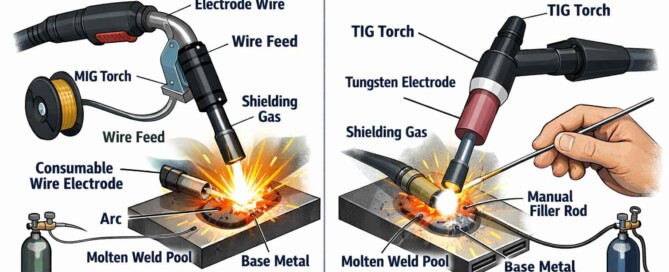
MIG Welding vs TIG Welding: Which Welding Technique Should You Choose?

MIG welding and TIG welding are two of the most commonly used arc welding processes in modern welding technology, and they are widely applied in metal fabrication, manufacturing, automotive, aerospace, and other industries. Although both belong to gas-shielded welding processes (GMAW and GTAW), they differ in working principles, technical requirements, and application

By |2026-01-04T11:40:28+08:00January 4th, 2026|

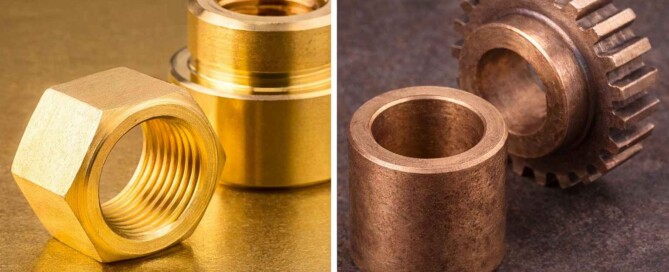
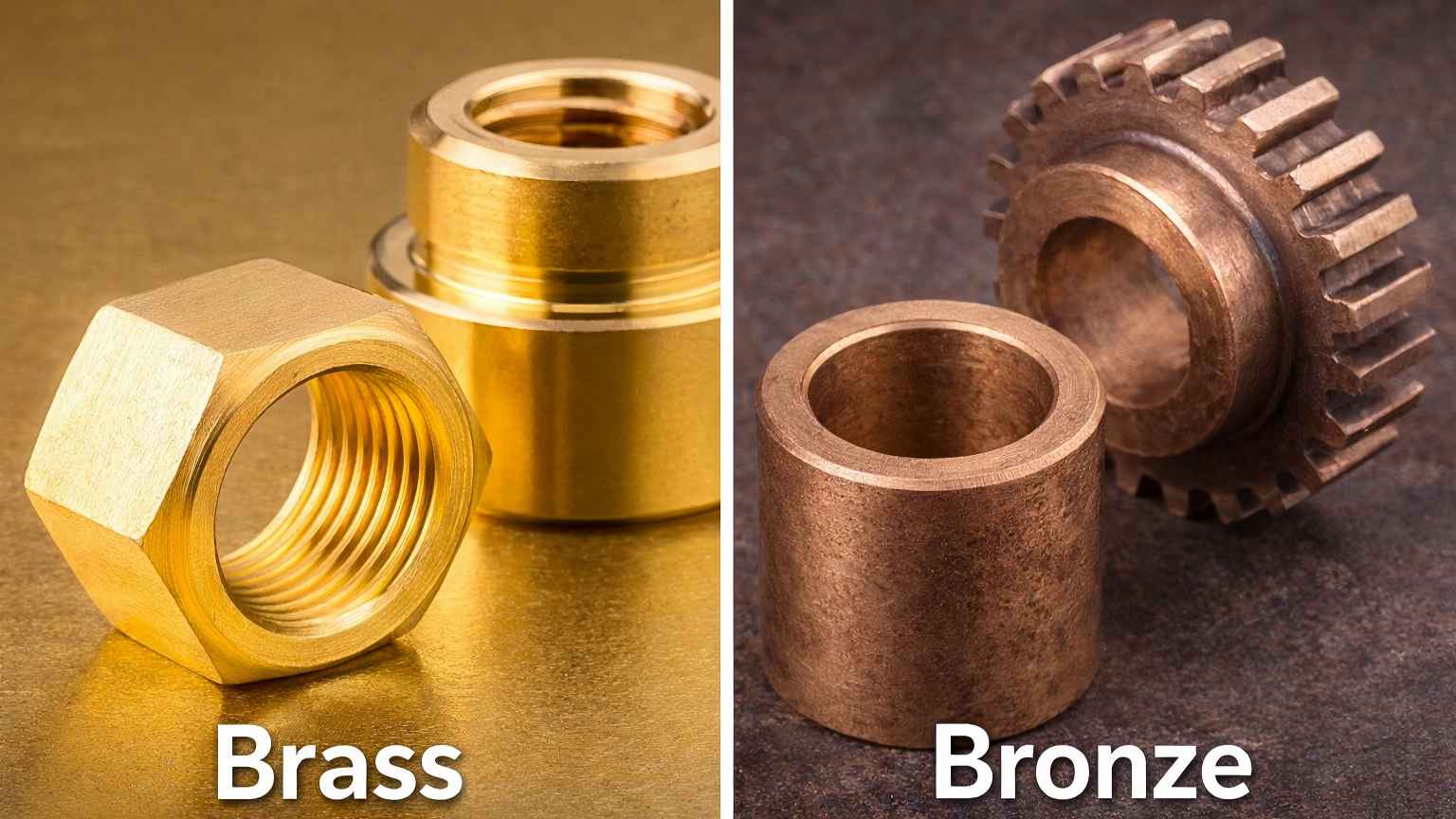
Brass VS Bronze: Which Material Is Better Suited for Your Part?

In industrial manufacturing and mechanical parts machining, the differences between brass and bronze are a key consideration during material selection. As two commonly used copper alloys, both brass and bronze are widely applied across various industries. Due to differences in their alloy compositions, they exhibit significant variations in mechanical properties, wear resistance,

By |2025-12-29T19:43:24+08:00December 29th, 2025|

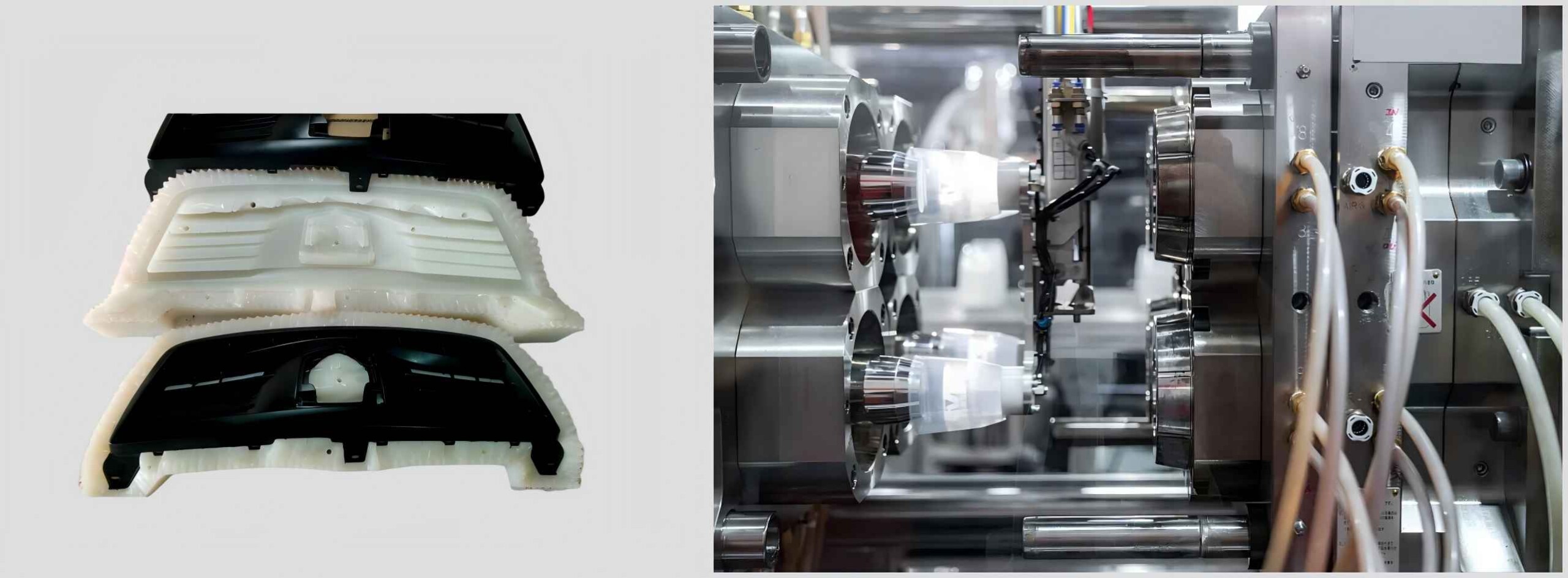
Vacuum Casting VS Injection Molding: How to Choose the Right Manufacturing Process from Prototype to Production

Process Overview: First Understand What Each Manufacturing Method Does From a manufacturing strategy perspective, understanding these processes is the foundation for making informed decisions about cost and production scale. In plastic part manufacturing, process selection often has a direct impact on a project’s cost structure, delivery timeline, and overall commercial

By |2025-12-20T22:38:07+08:00December 20th, 2025|

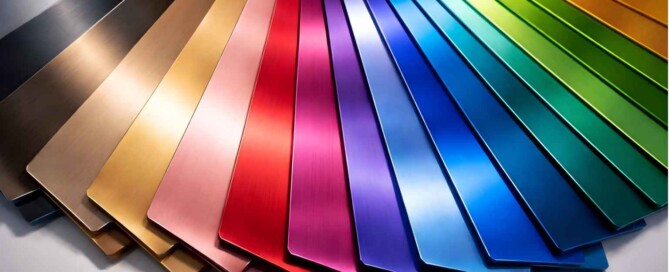
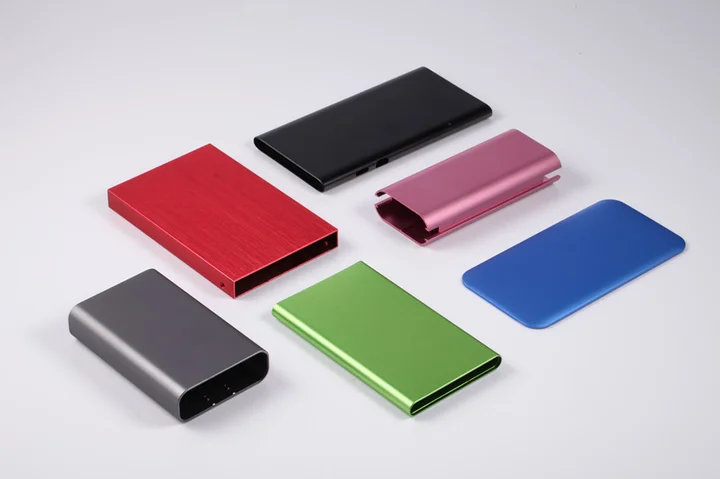
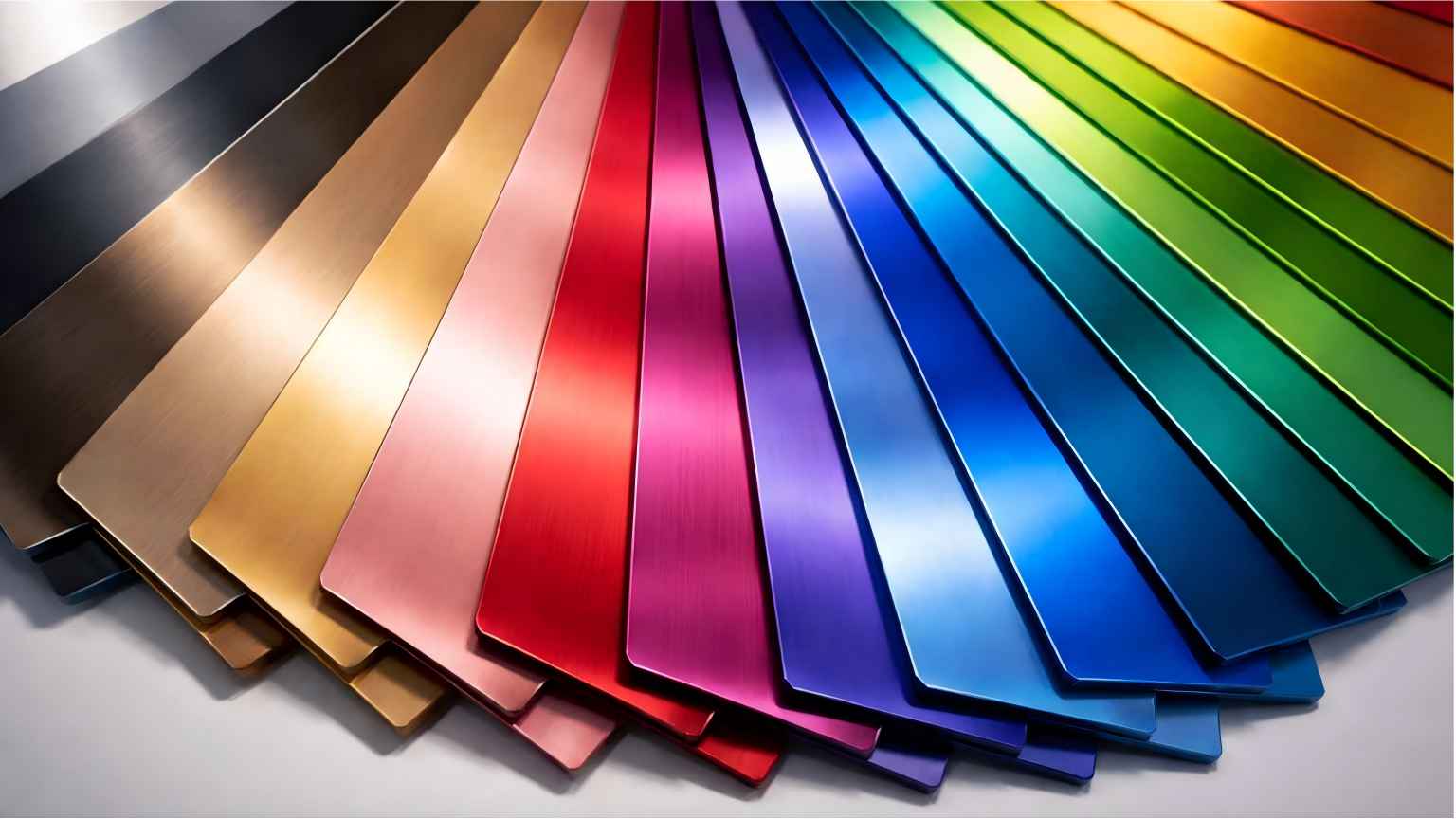
A Comprehensive Guide to Aluminum Anodizing: Everything You Need to Know

Aluminum is widely used in industries such as mechanical manufacturing, electronic products, and architectural structures due to its low density, moderate strength, and excellent machinability. However, untreated aluminum surfaces still have certain limitations in terms of wear resistance and corrosion resistance, making surface treatment processes particularly important in practical applications. Among the various

By |2025-12-29T20:08:56+08:00December 16th, 2025|

Why Surface Treatment Is Essential for Metal Manufacturing

Metal products are everywhere—from automotive components and electronic devices to everyday items like metal railings, hardware decorations, and colorful hairpins. You might not be familiar with the term “surface treatment,” but when you see someone painting a metal railing at home, you’re actually witnessing one of the most common forms of metal

By |2025-12-03T15:24:04+08:00December 3rd, 2025|

Choose the appropriate surface finishing?

There are hundreds of surface treatment options for metal parts. Which one is most suitable for your product? Many factors affect surface treatment, such as material, usage environment, function, appearance, etc. In the following text, we will teach you how to choose the appropriate surface treatment according to different application scenarios.

By |2025-12-26T10:14:20+08:00November 18th, 2025|
Go to Top