
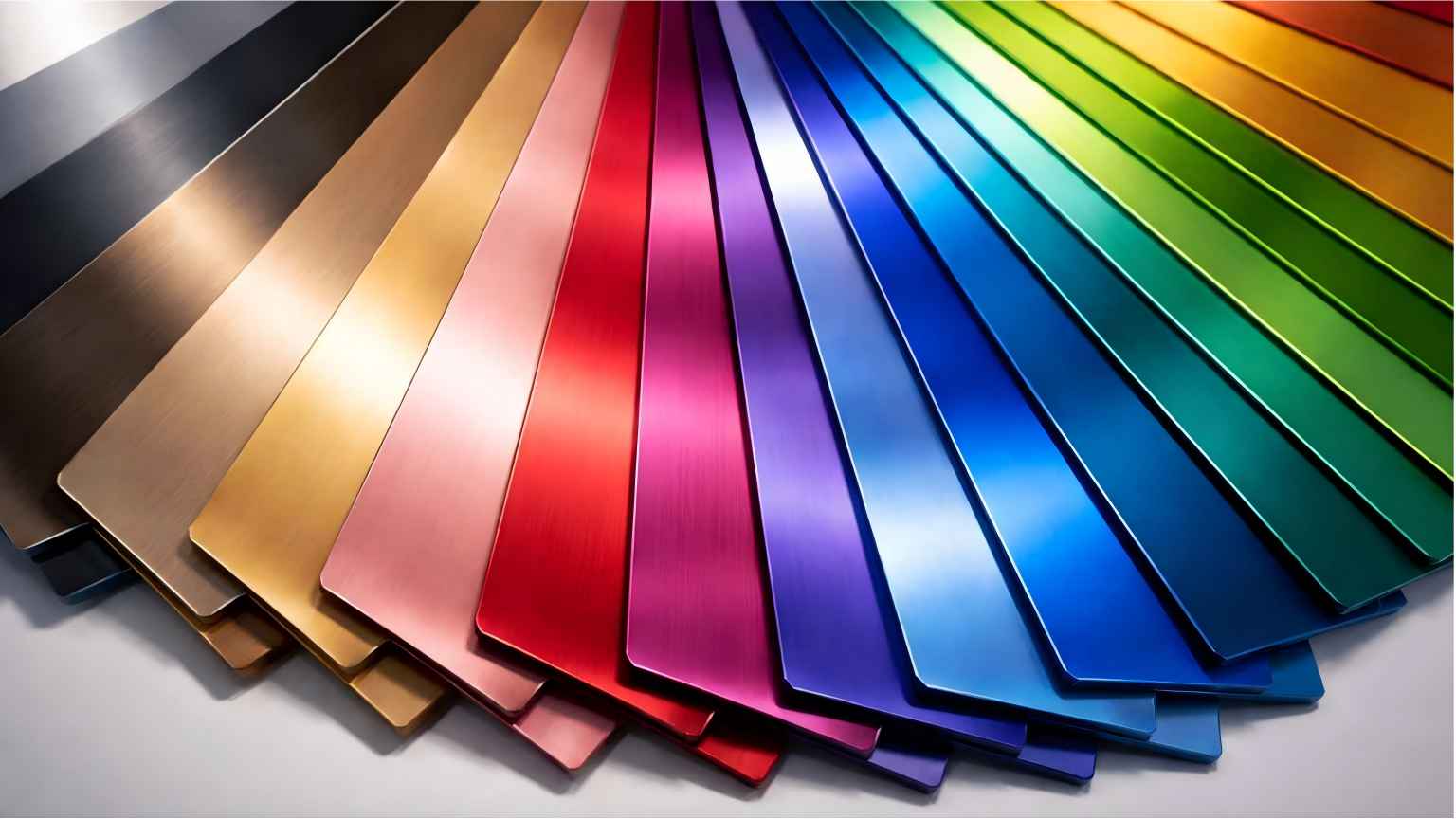
Aluminum is widely used in industries such as mechanical manufacturing, electronic products, and architectural structures due to its low density, moderate strength, and excellent machinability. However, untreated aluminum surfaces still have certain limitations in terms of wear resistance and corrosion resistance, making surface treatment processes particularly important in practical applications.
Among the various surface treatment methods, aluminum anodizing is a mature and widely adopted technology. Through an electrochemical reaction, a dense oxide layer is formed on the surface of the aluminum, significantly improving corrosion resistance and service life while also providing a wide range of aesthetic finishes.
In the actual project delivery process at HorizonRP CNC Machining Services, anodizing is regarded not merely as a cosmetic step, but as a critical process that directly affects the performance stability and long-term reliability of CNC-machined components. The following sections will introduce the basic principles, common process types, and application scenarios of aluminum anodizing, helping you gain a clearer understanding of the value of this essential process in modern manufacturing.

What Is Aluminum Anodizing?
Aluminum anodizing is a surface engineering technology based on electrochemical principles. Its primary purpose is to form a highly stable aluminum oxide functional layer on the surface of aluminum and aluminum alloys. The process is typically carried out in an electrolyte solution with a controlled composition. By applying direct current, the aluminum workpiece acts as the anode in the electrochemical system, inducing a controlled oxidation reaction on its surface.
Unlike natural oxidation, the oxide film formed through anodizing features higher density and structural uniformity, and it is integrally bonded to the metal substrate. This oxide layer provides superior mechanical strength, corrosion resistance, and electrical insulation compared to untreated aluminum surfaces.
In addition, the porous structure created during anodizing offers ideal conditions for dyeing, sealing, and functional surface modification. As a result, aluminum anodizing is widely valued in industrial manufacturing, precision machining, and structural component applications.
How Does the Aluminum Anodizing Process Work?
Aluminum anodizing is a surface modification process based on controlled electrochemical reactions. Its fundamental principle is to promote the formation of a structurally stable aluminum oxide functional layer on the surface of aluminum materials under an applied electric field. The process is typically carried out in an acidic electrolyte system, with sulfuric acid electrolytes being the most commonly used in industrial production.
During the process, aluminum components are connected to a direct current power supply and act as the anode. Under controlled conditions, oxidation reactions occur on the metal surface, gradually forming a dense and regularly ordered aluminum oxide structure. Compared with the thin film produced by natural oxidation, anodized oxide layers exhibit significantly greater thickness, hardness, and adhesion, effectively enhancing wear resistance and resistance to environmental corrosion.
To further improve the stability of the oxide layer, a sealing treatment is usually performed after anodizing. By using hot water or steam, hydration reactions occur within the microscopic pores of the oxide film, causing them to close. This significantly enhances corrosion resistance and long-term reliability. Aluminum components treated through the complete anodizing process can maintain their structural performance while meeting the surface quality requirements of precision manufacturing and high-end applications.
What Are the Steps in the Aluminum Anodizing Process?
Within a complete CNC manufacturing workflow, anodizing is a critical post-processing step. It must be evaluated together with dimensional compensation, racking design, and appearance requirements. For projects that demand high consistency in appearance and tight tolerance control, HorizonRP Precision CNC Machining typically considers coating thickness effects and racking feasibility during the machining stage. This proactive approach helps reduce rework risks and improve overall delivery efficiency.
Proper preparation is essential to ensure that aluminum surfaces are clean and free of contaminants, preventing defects during anodizing and ensuring optimal final appearance. The preparation and anodizing process generally includes the following key steps:
1. Racking
Aluminum alloy parts are securely mounted onto conductive racks to ensure stable electrical conductivity, providing reliable conditions for subsequent electrochemical reactions.
2. Degreasing / Alkaline Cleaning
The aluminum parts are immersed in degreasing agents or alkaline cleaning solutions to remove oils, cutting fluids, and surface contaminants. This step ensures surface cleanliness and prevents defects in the anodic oxide layer.
3. Rinsing
Residual cleaning solutions are removed through water rinsing to prevent cross-contamination between different chemical baths.
4. Etching
Acidic or alkaline etching is used to eliminate microscopic surface irregularities and create a uniform surface texture. This process improves oxide layer uniformity and adhesion.
5. Neutralizing
This step removes alloy residues that may remain after etching, ensuring a clean surface and creating optimal conditions for anodizing to achieve the best possible results.
6. Anodizing
The aluminum alloy parts are placed into an electrolyte bath (typically sulfuric acid), and an electric current is applied to form a dense aluminum oxide layer on the surface.
7. Coloring
Anodizing offers a wide range of color options. Based on appearance requirements, aluminum parts are immersed in prepared dye baths. Coloring enhances visual appeal and is especially popular in consumer electronics applications.
8. Sealing
The microscopic pores of the oxide layer are sealed using hot water, steam, or chemical sealing agents. This step significantly enhances corrosion resistance and overall durability.
9. Unracking & Inspection
Parts are removed from the racks, and inspections are conducted to verify coating thickness, color consistency, and overall surface quality.
Important Notes:
-
Racking Position Selection
Racking points should be avoided on threaded holes and precision bores whenever possible. If racking at a threaded location is unavoidable, titanium screws can be used to attach the part, transferring the racking point to the titanium fastener and minimizing damage to the part’s threads. -
Cleaning for Complex Structures
For parts with complex geometries, automatic air-blowing processes may not completely remove residual degreasing agents or alkaline solutions from pre-treatment stages. Manual auxiliary cleaning is recommended to ensure surface cleanliness and achieve optimal anodizing results. -
Proper Unracking Technique
Care must be taken during unracking. Clamps should be loosened before removing the part. Pulling parts directly off the rack without releasing the fixtures may cause surface damage at the racking points, negatively affecting part quality.

What Are the Different Types of Aluminum Anodizing?
Aluminum anodizing is not a single, uniform process. Instead, multiple anodizing types are defined by different process conditions. Variations in electrolyte composition and oxide layer growth characteristics result in oxide films with different thicknesses and performance properties. Film thickness and structure directly affect corrosion resistance, wear resistance, and visual appearance. Therefore, a clear understanding of each anodizing type helps ensure the most appropriate surface treatment is selected based on functional or aesthetic requirements.
Type I: Chromic Acid Anodizing
Chromic acid anodizing (also known as Type I anodizing) uses chromic acid as the electrolyte and produces a relatively thin oxide layer. Because dimensional change before and after treatment is minimal and corrosion resistance is excellent, this process is ideal for components requiring tight dimensional tolerances and superior corrosion protection.
Type I anodizing is commonly used in industries with extremely high precision requirements, such as aerospace applications.
Type II: Sulfuric Acid Anodizing
Sulfuric acid anodizing (also known as Type II anodizing) is the most widely used anodizing process. It employs sulfuric acid as the electrolyte and forms a medium-thickness oxide layer on aluminum surfaces, achieving a balanced combination of corrosion resistance and aesthetic appearance.
Type II anodizing features a uniform porous structure that readily absorbs dyes, enabling a wide range of color options. As a result, it is widely applied in products requiring consistent appearance and decorative finishes. Depending on application requirements, coating thickness is typically controlled within the range of approximately 0.1 to 1 mil.
Beyond decorative benefits, sulfuric acid anodizing significantly enhances corrosion resistance and also improves surface wear resistance and electrical insulation to a certain extent. This makes it suitable for consumer products, architectural components, and general industrial parts.
Type III: Hard Anodizing (Hardcoat Anodizing)
Hard anodizing (also known as Type III anodizing) is a surface treatment process primarily intended to improve wear resistance and mechanical durability. This process typically uses sulfuric acid as the electrolyte and is performed at low temperatures with higher current densities to promote the formation of a thick aluminum oxide layer.
Compared to standard sulfuric acid anodizing, hard anodizing produces a significantly thicker oxide layer, with coating thickness generally ranging from approximately 1 to 4 mils, depending on alloy composition and application requirements.
The resulting oxide layer exhibits high surface hardness and excellent wear resistance. As a result, Type III anodizing is widely used in aerospace and military components, industrial machinery parts, and sports or engineering equipment that demand high durability. It delivers stable performance even in complex and harsh operating environments.
For structurally complex components—particularly those with multi-surface contours, deep cavities, or irregular geometries—hard anodizing (Type III) is often applied to enhance wear resistance and extend service life at critical contact areas. Such components place higher demands on machining accuracy, coating uniformity, and dimensional compensation. In these cases, coordinated planning between HorizonRP 5-axis CNC machining and anodizing processes is essential to achieve both structural precision and long-term surface durability.
Aluminum Anodizing Types (Type I / II / III)
| Anodizing Type | Process Name | Thickness Range | Key Features | Typical Applications |
|---|---|---|---|---|
| Type I | Chromic Acid Anodizing | 0.5–1.0 μm (0.02–0.04 mil) | Thin coating, minimal dimensional change, excellent corrosion resistance | Aerospace parts, corrosion protection |
| Type II | Sulfuric Acid Anodizing | 2.5–25 μm (0.1–1.0 mil) | Medium thickness, dyeable, decorative finish | Consumer products, architecture, general industrial parts |
| Type III | Hard Anodizing (Hardcoat) | 25–75 μm (1.0–3.0 mil) | Thick, hard coating, high wear resistance | High-wear industrial components, military parts |
Which Aluminum Alloys Are Best for Anodizing?
In anodizing applications, the selection of aluminum alloy grades plays a critical role in determining final surface quality and performance. Differences in alloy composition can directly affect oxide layer uniformity, color consistency, and corrosion resistance. Choosing the appropriate aluminum material for a specific application is therefore essential to achieving stable and high-quality anodizing results.
Aluminum 6061
6061 is commonly used in applications that require structural strength. It is a widely trusted and versatile choice for industrial and structural components where both mechanical performance and surface protection are important.
Aluminum 6063
This alloy offers excellent surface finish and corrosion resistance and is widely regarded as one of the best materials for decorative anodizing. After anodizing, 6063 aluminum exhibits a smooth surface and highly uniform color, making it ideal for architectural profiles and appearance-critical applications.
Aluminum 5052
This alloy offers excellent surface finish and corrosion resistance and is widely regarded as one of the best materials for decorative anodizing. After anodizing, 6063 aluminum exhibits a smooth surface and highly uniform color, making it ideal for architectural profiles and appearance-critical applications.

What Colors Can Be Achieved with Aluminum Anodizing?
Through colored anodizing processes, aluminum surfaces can achieve a wide range of finishes, from natural metallic tones and champagne colors to black, blue, red, and other darker shades. This process takes advantage of the unique microporous structure of the anodic oxide layer, which allows dyeing agents to be effectively absorbed and evenly distributed within the coating, resulting in stable and long-lasting color performance.
The final color outcome depends on the coordinated control of multiple process factors, including oxide layer formation conditions, dye system selection, and the quality of the subsequent sealing process. By precisely managing these parameters, highly consistent and repeatable color results can be achieved, providing a reliable manufacturing solution for applications that emphasize aesthetic design and product differentiation.
Surface Finishes and Texture Effects of Anodized Aluminum
The appearance and tactile feel of anodized aluminum can be flexibly adjusted to meet design requirements, ranging from high-gloss finishes to finely textured matte surfaces. By combining different pre-treatment processes with controlled anodizing conditions, products can achieve the desired visual effect while maintaining excellent performance characteristics.
HorizonRP offers customized anodized surface finish and texture solutions, helping customers achieve an optimal balance between functional performance and aesthetic design.
Bright Finish
A bright finish can be achieved through chemical polishing or bright dipping processes, which uniformly dissolve the aluminum surface prior to anodizing, resulting in high reflectivity. Bright finishes are commonly used in consumer electronics and automotive trim components, delivering a mirror-like appearance while retaining good corrosion resistance.
Matte Finish
Matte surfaces are typically achieved by adjusting pre-treatment etching intensity or anodizing process parameters. This finish is characterized by reduced surface gloss and reflectivity, creating a softer and more uniform appearance. Matte anodized surfaces effectively minimize glare and fingerprint visibility, making them widely used in architectural components and industrial design applications.
Due to their low reflectivity and stable visual performance, matte anodized finishes are often selected to emphasize clean, restrained design aesthetics while maintaining functional performance and consistent appearance quality.
Main Advantages of Aluminum Anodizing
As a mature surface treatment process, anodizing is widely used across various industries. Its main advantages include:
- Significantly improved corrosion resistance
- Enhanced surface hardness and wear resistance
- Ability to achieve a wide range of colors and surface textures
- Excellent electrical insulation properties
- Improved paint adhesion and bonding performance
- Relatively environmentally friendly process with strong recyclability
- Minimal weight increase
Limitations and Challenges of Aluminum Anodizing
Despite its many advantages, aluminum anodizing also has certain limitations and challenges:
- The anodic coating thickness has an upper limit
- Achieving consistent color across different aluminum alloys can be difficult
- Equipment investment and process control costs are relatively high
- Process parameters require precise and complex control
- Substrate defects may be amplified after anodizing
- The anodic layer is difficult to repair once damaged
- Acidic chemical handling is involved, requiring strict environmental and safety management
Applications of Anodized Aluminum
Anodized aluminum is widely used across multiple industries due to its combined advantages in corrosion resistance, wear resistance, and aesthetic performance. By forming a dense and stable aluminum oxide layer on the surface, anodizing significantly extends service life in demanding environments while also providing an excellent foundation for color treatments and surface design.
In components such as consumer electronics housings, structural brackets, and jigs and fixtures, aluminum parts are commonly produced through milling operations. For projects that require both visual consistency and assembly precision, HorizonRP CNC milling typically accounts for anodizing coating thickness allowances during the machining stage and optimizes manufacturability by coordinating racking positions and sealing requirements.
The following are common application areas of anodized aluminum across different industries:
- Aerospace components
- Automotive decorative and functional parts
- Architectural curtain walls and aluminum profiles
- Consumer electronics housings
- Sports equipment
- Marine equipment
- Medical devices
How to Determine Whether Anodizing Is Qualified
The quality of anodizing can be evaluated comprehensively from aspects such as appearance consistency, coating performance, and sealing quality. In general, a qualified anodized layer should meet the following basic requirements:
- Uniform surface color with no obvious color variation
- Consistent gloss and surface texture
- Adequate resistance to scratching
- Oxide coating thickness that meets design specifications or industry standards
- Properly sealed anodic layer
How Much Does Aluminum Anodizing Cost?
The cost of aluminum anodizing is not a fixed value; it is determined by multiple factors. In real-world projects, the selected anodizing process, part surface area, order quantity, and color or appearance requirements all have a direct impact on the final price.
Standard Sulfuric Acid Anodizing (Type II)
This is the most widely used anodizing method and is relatively cost-effective. It is suitable for aluminum parts with general requirements for corrosion resistance and appearance. In most cases, the processing cost typically ranges from approximately $0.50 to $3.00 per square inch, depending on part size and production volume.
Hard Anodizing (Type III)
This process requires higher current density, stricter temperature control, and longer processing times, resulting in greater technical complexity and energy consumption compared to standard sulfuric acid anodizing. Accordingly, the cost usually increases to approximately $2.00 to $5.00 per square inch. It is commonly used for industrial or functional components that require high wear resistance and extended service life.
Small Batch Orders or Custom Color Requirements
When production volumes are low or non-standard colors and special dyeing effects are required, additional process adjustments are often necessary, such as dedicated bath setup, color matching, or parameter calibration. These situations typically involve one-time setup charges, which further affect the overall cost.
Overall, the actual cost of anodizing must be evaluated based on specific part design, performance requirements, and production scale, rather than relying on a single price range. The figures above are provided as general reference values only.
How Long Does Aluminum Anodizing Take?
The processing time for aluminum anodizing varies depending on the process type and the target coating thickness.
In most applications, the electrolysis stage of standard sulfuric acid anodizing (Type II) can typically be completed within approximately 30 to 60 minutes, making it suitable for parts that require decorative finishes and basic corrosion resistance.
In comparison, hard anodizing (Type III) operates under more stringent process conditions, including higher current densities and lower electrolyte temperatures, in order to produce thicker and denser oxide layers. As a result, the overall processing time is significantly longer—often approaching or exceeding 1 to 2 hours, and in some high-wear or thick-coating applications, it may take even longer.
It is important to note that actual anodizing time depends not only on the process type, but also on factors such as part surface area, alloy composition, electrolyte temperature, and current control methods. Therefore, cycle time should be evaluated based on the specific technical requirements of each project rather than assuming a fixed duration.
Service Life of Anodized Aluminum
Under certain service conditions, anodized aluminum typically offers a long service life, often maintaining stable performance for approximately 10 to 20 years. This durability is primarily attributed to the dense aluminum oxide layer formed during the anodizing process, which effectively isolates the metal substrate and slows down environmental corrosion.
With proper use and basic maintenance—such as avoiding prolonged exposure to highly corrosive media or extreme environments—the actual service life of anodized aluminum can be further extended, while preserving good appearance and consistent performance over time.
Common Aluminum Anodizing Process Mistakes and How to Avoid Them
Aluminum anodizing is a surface treatment process that requires a high level of process control. Many quality issues arise from details that are easily overlooked. Understanding and avoiding these common mistakes can significantly improve coating consistency, durability, and overall appearance quality.
Inadequate Surface Pre-Treatment
If aluminum parts are not thoroughly cleaned to remove oils, oxides, or machining residues before anodizing, the resulting oxide layer may show uneven thickness, staining, or poor adhesion. A standardized cleaning and degreasing process is the foundation for achieving stable and high-quality anodizing results.
Unstable Electrolyte Temperature Control
During anodizing, electrolyte temperature has a direct impact on oxide layer structure and density. Excessively high temperatures can lead to porous and weak coatings, while temperatures that are too low may reduce oxide growth efficiency. Using reliable temperature control systems helps maintain stable process conditions.
Improper Current Parameter Settings
If current density exceeds the appropriate range, it can cause uneven coating thickness or localized burning. Power supplies with precise adjustment and monitoring capabilities are essential for ensuring uniform anodic coatings.
Neglecting Basic Safety Measures
Anodizing involves acidic electrolytes and electrical equipment. A lack of proper personal protective equipment (such as gloves and safety goggles) not only poses safety risks but can also affect operational stability. Proper safety management is an essential part of the production process.
Insufficient Control of the Dyeing Process
For colored anodizing, inadequate control of dye concentration, temperature, or agitation can result in inconsistent coloration. Proper control of dyeing parameters is critical to achieving uniform and stable appearance results.
How to Choose the Right Anodizing Service Provider
Selecting a suitable anodizing service provider is essential to ensuring stable quality and reliable performance of aluminum parts. When evaluating potential suppliers, consider the following factors:
-
Process Experience and Capability Range
Give priority to suppliers with proven experience in aluminum anodizing, especially those with long-term expertise in standard sulfuric acid anodizing and hard anodizing (Type II and Type III). Well-established process knowledge typically leads to more consistent coating quality and lower rework risk.
-
Compliance with Industry or Military Standards
For projects with high quality requirements, confirm whether the supplier can process according to standards such as MIL-PRF-8625 and provide corresponding quality control and inspection capabilities.
-
Part Size and Complexity Compatibility
Not all anodizing facilities are equipped to handle large, thick-walled, or geometrically complex parts. Verifying tank size, racking design, and fixturing methods in advance can help prevent process limitations later in the project.
-
Process Control and Equipment Conditions
Stable electrolyte temperature control, precise chemical composition management, and reliable power supply systems are critical to ensuring coating consistency. Reviewing the supplier’s equipment setup helps assess overall process stability.
-
Reputation, Communication, and Service Capability
Beyond technical capability, supplier reputation, customer feedback, and communication efficiency are equally important. A partner who can clearly explain technical details and respond promptly to requirements can significantly improve project efficiency and the overall collaboration experience.
Representative Types of Service Providers in the Aluminum Anodizing Industry
When selecting an anodizing service provider, understanding the types of companies with mature process capabilities and stable delivery experience can help streamline the evaluation process. Rather than simply listing company names, assessing providers based on their service models and technical strengths is often more informative and practical.
Integrated Precision Manufacturing and Surface Treatment Providers
Companies like HorizonRP integrate CNC precision machining with multiple surface treatment processes within a single manufacturing system, offering end-to-end solutions for aluminum parts—from machining to anodizing. Their key advantage lies in a coordinated understanding of part geometry, tolerance requirements, and post-anodizing surface performance. This integration helps improve overall consistency while reducing potential risks between machining and post-processing stages.
Specialized Metal Surface Treatment Providers
HorizonRP also represents a specialized service model focused on metal surface treatments such as anodizing, with extensive experience in Type II and Type III anodizing. These providers typically operate dedicated process equipment and robust quality control systems. Their services are commonly applied in aerospace, industrial equipment, and high-end consumer products, where coating performance and appearance stability are critical.
In practice, whether choosing an integrated manufacturing provider or a specialized surface treatment company, selection should be based on a comprehensive evaluation of part size, quality standards, and project requirements. Relying solely on brand recognition is not recommended when making this decision.
Common Aluminum Surface Treatment Methods Besides Anodizing
Anodizing is one of the most widely used processes for improving corrosion resistance and appearance of aluminum. However, in certain applications, other surface treatment methods can also provide practical value. Depending on performance requirements, budget constraints, and service environments, the following processes are often considered as alternatives to anodizing.
Powder Coating
Powder coating involves electrostatically applying dry powder to the aluminum surface and curing it through heat to form a continuous protective layer. This process offers good corrosion resistance and supports a wide range of colors and surface finishes, making it widely used in architectural applications, outdoor equipment, and consumer products. Compared to anodizing, powder coating typically produces a thicker coating with stronger visual coverage, but it generally offers lower wear resistance and long-term abrasion stability.
Plating
Plating uses electrochemical methods to deposit a metal layer onto the aluminum surface, providing specific aesthetic or functional properties. It is commonly used in applications requiring a metallic appearance, electrical conductivity, or specialized protective characteristics. However, compared to anodizing, plating involves more complex processing steps, stricter surface preparation requirements, and higher overall costs.
Ceramic Coating
For high-temperature or high-wear environments, ceramic coatings serve as an effective alternative. These coatings offer excellent heat resistance, wear resistance, and thermal insulation, and are commonly applied in automotive, aerospace, and certain industrial equipment applications. Due to higher process complexity and cost, ceramic coatings are best suited for applications with clearly defined functional requirements.
Overall, anodizing is not the only surface treatment option for aluminum. Each method offers distinct advantages in corrosion resistance, wear resistance, appearance, and cost. The most suitable process should be selected based on the specific service environment and product requirements.
Conclusion
For rotational components such as shafts and sleeves, anodizing also requires careful consideration of bore dimensions and mating surface compensation. Taking aluminum alloy parts produced through HorizonRP CNC turning as an example, when sliding fits or interference assemblies are involved, it is recommended to define the anodizing type and target coating thickness during the design stage and confirm the dimensional compensation strategy with the machining supplier.
Aluminum anodizing is a mature surface treatment technology that successfully balances functional performance and aesthetic appeal. By selecting the appropriate anodizing process and service provider, the overall performance of aluminum components can be significantly enhanced. As manufacturing industries continue to place greater emphasis on quality and sustainability, anodizing will remain an important and widely applied process.
In project delivery at HorizonRP CNC Machining Services, anodizing is regarded not merely as a cosmetic finishing step, but as a critical factor that directly affects the performance stability and long-term reliability of CNC-machined components.
FAQ
Can Aluminum Alloys Be Anodized More Than Once?
Yes, aluminum parts can be anodized again. Re-anodizing is commonly used to repair damaged anodized surfaces or to reprocess parts when higher durability or a different appearance is required.
Before re-anodizing, the existing oxide layer must be completely removed. This is typically done through a chemical stripping process to restore the bare aluminum substrate. After stripping, the part can undergo sulfuric acid anodizing again or another anodizing type based on application requirements.
It should be noted that each stripping and re-anodizing cycle affects part dimensions and surface condition. For parts with tight tolerances or high appearance requirements, multiple anodizing cycles may increase the risk of reduced coating uniformity or surface quality variation. Therefore, functional requirements and tolerance limits should be carefully evaluated before deciding on re-anodizing.
Why Are Color Options Limited for Hard Anodizing (Type III)?
The limited color range of hard anodizing is mainly due to its process objectives and the inherent structure of the oxide layer. Unlike standard sulfuric acid anodizing (Type II), hard anodizing is performed under low-temperature, high-current-density conditions to form a thicker and denser aluminum oxide layer. The smaller pore size makes it difficult for dyes to penetrate effectively, limiting the ability to achieve bright or varied colors.
In addition, the natural color of hard anodized coatings is typically dark gray or gray-brown. This darker base reduces the visual effect of light or high-saturation dyes, resulting in darker and less stable colors even when dyeing is attempted. Variations in alloy composition further complicate color consistency in batch production under hard anodizing conditions.
From an application standpoint, the primary value of hard anodizing lies in improving surface hardness, wear resistance, and service life, rather than decorative appearance. As a result, dark gray or black finishes are the most common and stable. For applications requiring a wider color range and high appearance consistency, standard anodizing (Type II) or other surface treatments are generally more suitable.
Does Hard Anodizing (Type III) Require Sealing?
According to MIL-PRF-8625, Performance Specification for Anodic Coatings for Aluminum and Aluminum Alloys, hard anodizing (Type III) may be either sealed or left unsealed, depending on the part’s service environment and functional requirements.
Unlike standard anodizing (Type II), both sealed and unsealed hard anodizing practices are commonly used in engineering applications. Both approaches are permitted under MIL-PRF-8625 and are suitable for different use cases.
Sealed Hard Anodizing
When hard anodized coatings are sealed in accordance with MIL-PRF-8625, the microscopic pores of the oxide layer are closed, significantly improving corrosion resistance and surface stability. This option is better suited for parts exposed to humid environments, outdoor conditions, or mildly corrosive media, and it also helps reduce surface contamination. For applications prioritizing environmental resistance and long-term durability, sealed Type III anodizing is generally the safer choice.
Unsealed Hard Anodizing
MIL-PRF-8625 does not mandate sealing for hard anodizing. When left unsealed, the oxide layer retains its open porous structure. While corrosion resistance is reduced, surface hardness and wear resistance remain effective. In fact, the open pores can help retain lubricants and reduce friction, making unsealed Type III anodizing suitable for sliding components, wear surfaces, or controlled environments. This approach emphasizes functional performance rather than long-term corrosion protection.
Does Anodizing Change Part Dimensions?
Yes. Anodizing does affect the dimensions of aluminum parts—this is an inherent characteristic of the process.
During anodizing, the aluminum surface is converted into an aluminum oxide layer. The coating does not grow entirely outward; instead, part of the oxide layer grows inward by consuming the base material, while the remainder grows outward. In typical cases, approximately 50% of the coating thickness comes from the substrate, and 50% builds outward.
As a result:
- External dimensions increase slightly
- Internal features such as holes and slots become smaller
- Tight-tolerance parts require dimensional compensation
For standard sulfuric acid anodizing (Type II), dimensional changes are usually minor. However, for hard anodizing (Type III), the thicker coating makes dimensional effects more significant. If anodizing thickness is not considered during the design stage, it may lead to assembly issues or functional deviations.
Therefore, for applications involving precision fits, holes, threads, or interference assemblies, clearly defining the anodizing type and target coating thickness—and allowing for appropriate dimensional compensation during design—is critical to ensuring part conformity and performance.
Latest Post
Liquid Silicone Rubber Molding: Process, Benefits, Applications, and Design Considerations
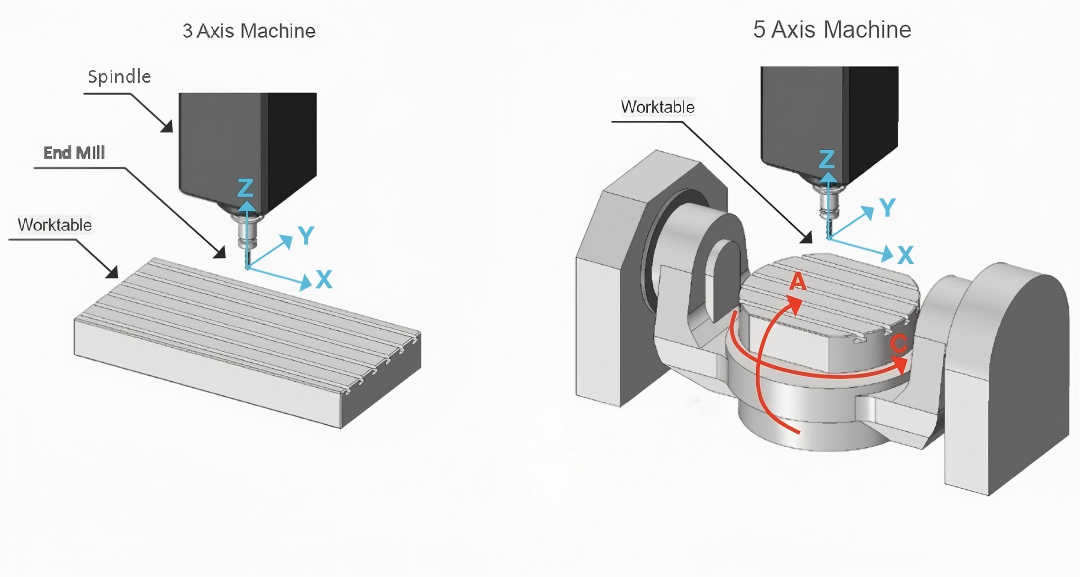
What is a 5-axis machine? The differences from 3-axis machines and their applications.
What Is a Tack Weld? Definition, Purpose, and Applications
How to Remove Burrs from CNC Machined Parts: Common Deburring Methods Explained