
Injection Molding Materials
Choosing the right injection molding material can make or break your project. Our comprehensive guide helps you quickly compare options based on strength, flexibility, and heat resistance, so you can confidently select the ideal material for prototypes, production parts, or custom designs—ensuring high-quality results every time.
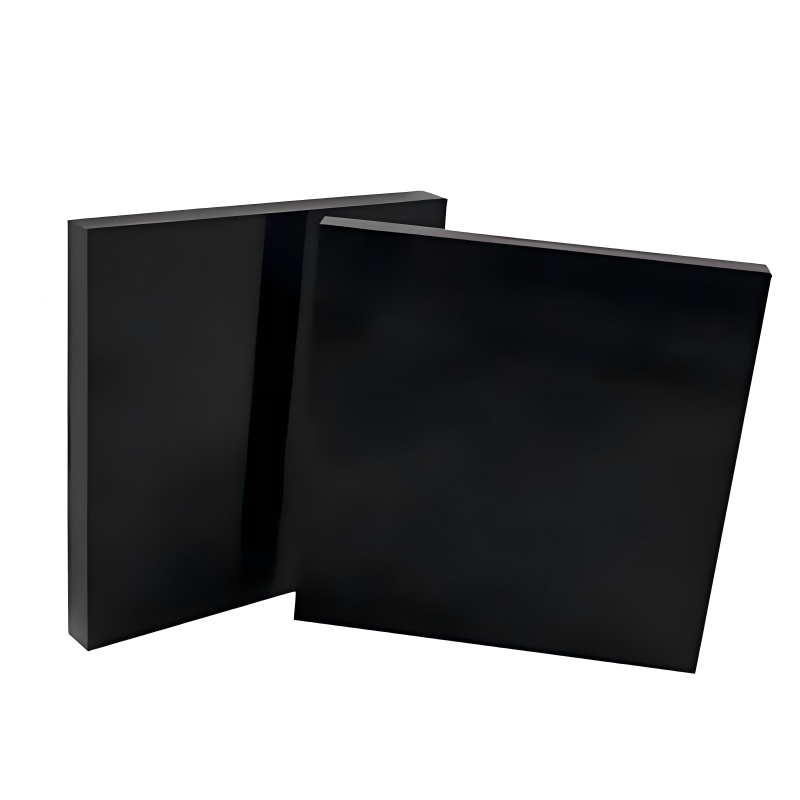
PC+GF
Type: PC+GF
Impact Resistance, Strength, Aging Resistance
PC+GF (polycarbonate + glass fiber reinforced composite material) is a reinforced engineering plastic made by adding glass fiber (abbreviated as GF) to a polycarbonate (PC) matrix. The addition of glass fiber can significantly improve the mechanical properties and stability of pure PC while retaining some of PC’s excellent inherent properties, making it suitable for scenarios with high requirements for strength, rigidity, and dimensional accuracy. It features high strength, high rigidity, and heat resistance, and is ideal for automotive parts, electrical enclosures, and structural components.
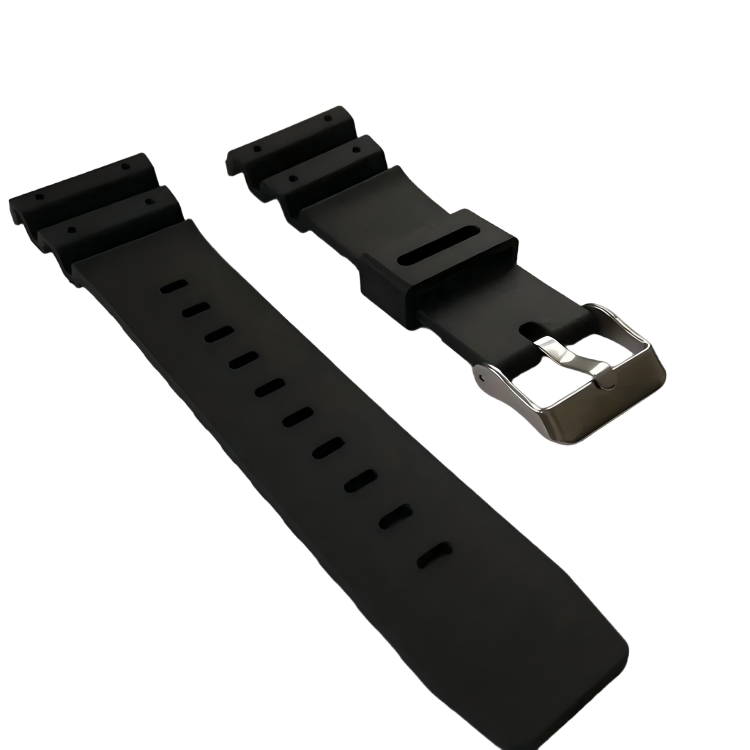
TPU
Type: TPU
Impact Resistance, Wear Resistant, Chemical Resistant, Aging Resistance
TPU (Thermoplastic Polyurethane), commonly known as urethane rubber, is a thermoplastic elastomer. It features excellent elasticity, abrasion resistance, and chemical corrosion resistance, and is widely used in applications such as mobile phone cases (soft shells), sports shoe soles, and medical catheters.
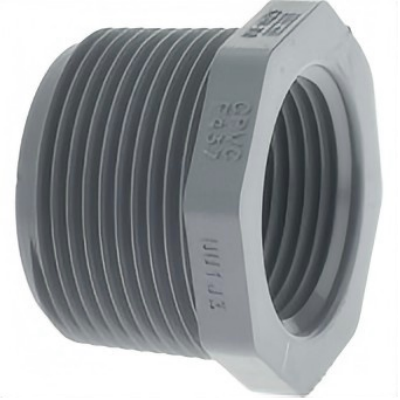
CPVC
Type: CPVC
Temperature Resistant, Chemical Resistant, Flame Retardancy
CPVC (Chlorinated Polyvinyl Chloride) is a thermoplastic plastic obtained by chlorination modification of polyvinyl chloride (PVC). Such structural changes enable it to far outperform ordinary PVC in terms of heat resistance, mechanical properties, and chemical resistance, making it an ideal material for high-temperature and corrosive environments.
PC+GF
Type: PC+GF
Impact Resistance, Strength, Aging Resistance
PC+GF (polycarbonate + glass fiber reinforced composite material) is a reinforced engineering plastic made by adding glass fiber (abbreviated as GF) to a polycarbonate (PC) matrix. The addition of glass fiber can significantly improve the mechanical properties and stability of pure PC while retaining some of PC’s excellent inherent properties, making it suitable for scenarios with high requirements for strength, rigidity, and dimensional accuracy. It features high strength, high rigidity, and heat resistance, and is ideal for automotive parts, electrical enclosures, and structural components.
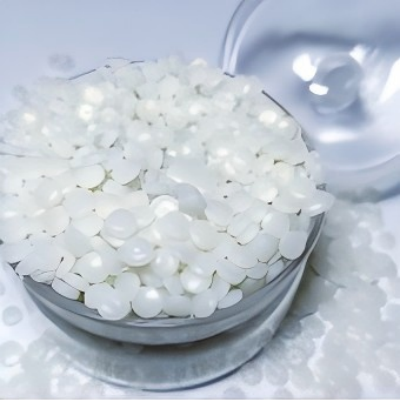
HDPE
Type: HDPE
Corrosion Resistance, Strength, Electrical Insulation
High-Density Polyethylene (HDPE) is a lightweight, chemically resistant, and high-strength material. It is flexible and tough, commonly used in applications such as food packaging (e.g., food containers), agricultural films, daily necessities (e.g., storage boxes), and water tanks.
PET
Type: PET
Corrosion Resistance, Strength, High Transparency, Processability
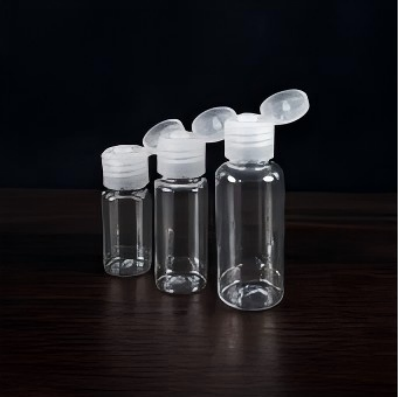
PET (polyethylene terephthalate) is a common thermoplastic polyester with excellent mechanical properties and strong chemical resistance. It also offers glass-like transparency and luster, with a high light transmittance of about 88–92%, and is widely used in beverage bottles, food packaging, and engineering plastics.
PC
Type: PC
Impact Resistance, Processability
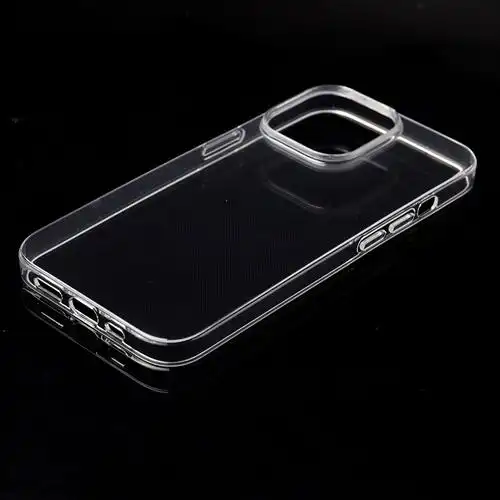
PC (polycarbonate, commonly known as bulletproof glue) is inherently pale yellow or colorless and transparent, featuring hardness, toughness and luster. It boasts prominent advantages: with a light transmittance of 90%, it not only has good mechanical strength but also excellent impact resistance, along with outstanding heat resistance and weatherability.
TPU
Type: TPU
Impact Resistance, Wear Resistance, Chemical Resistant, Aging Resistance
TPU (Thermoplastic Polyurethane), commonly known as urethane rubber, is a thermoplastic elastomer. It features excellent elasticity, abrasion resistance, and chemical corrosion resistance, and is widely used in applications such as mobile phone cases (soft shells), sports shoe soles, and medical catheters.
TPU
Type: TPU
Résistance aux Chocs, Résistance à l'Usure, Résistant aux Produits Chimiques, Résistance au Vieillissement
Le TPU (polyuréthane thermoplastique), communément appelé caoutchouc uréthane, est un élastomère thermoplastique. Il se caractérise par une excellente élasticité, résistance à l’abrasion et résistance à la corrosion chimique, et est largement utilisé dans des applications telles que les coques de téléphone portable (souples), les semelles de chaussures de sport et les cathéters médicaux.
TPU
Type: TPU
Resistencia al Impacto, Resistencia al Desgaste, Resistente a los Productos Químicos, Resistencia al Envejecimiento
El TPU (poliuretano termoplástico), comúnmente conocido como caucho de uretano, es un elastómero termoplástico. Se caracteriza por su excelente elasticidad, resistencia a la abrasión y resistencia a la corrosión química, y se utiliza ampliamente en aplicaciones como fundas de teléfonos móviles (blandas), suelas de calzado deportivo y catéteres médicos.