
Injection Molding Materials
Choosing the right injection molding material can make or break your project. Our comprehensive guide helps you quickly compare options based on strength, flexibility, and heat resistance, so you can confidently select the ideal material for prototypes, production parts, or custom designs—ensuring high-quality results every time.
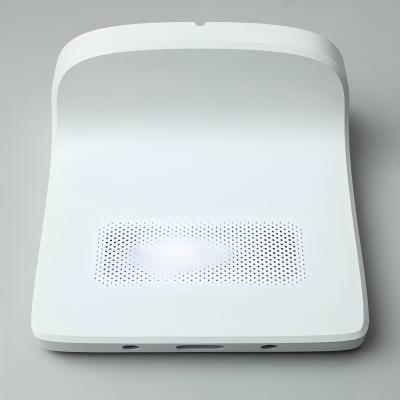
PC+ABS
Type: PC+ABS
Impact Resistance, Strength
PC+ABS is a blend-modified material that combines the advantages of both materials. It not only inherits the high impact resistance of PC but also the material strength of ABS, while improving its heat resistance. It is often used in electronic product casings, automotive interiors, consumer products, and more.
PC+ABS
Type: PC+ABS
Résistance aux Chocs, Résistance
PC+ABS, matériau modifié par mélange, combinant les avantages des deux matières. Il hérite non seulement de la haute résistance aux chocs du PC, mais aussi de la résistance mécanique de l’ABS, tout en améliorant sa résistance à la chaleur. Il est souvent utilisé dans les boîtiers de produits électroniques, les intérieurs automobiles, les produits grand public et bien plus encore.
PC+ABS
Type: PC+ABS
Resistencia al Impacto, Resistencia
PC+ABS, material modificado por mezcla que combina las ventajas de ambos materiales. No solo hereda la alta resistencia al impacto del PC, sino también la resistencia mecánica del ABS, mejorando al mismo tiempo su resistencia al calor. Se utiliza a menudo en carcasas de productos electrónicos, interiores de automóviles, productos de consumo y muchos otros ámbitos.
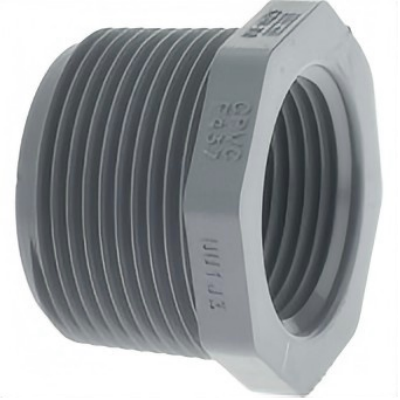
CPVC
Type: CPVC
Temperature Resistant, Chemical Resistant, Flame Retardancy
CPVC (Chlorinated Polyvinyl Chloride) is a thermoplastic plastic obtained by chlorination modification of polyvinyl chloride (PVC). Such structural changes enable it to far outperform ordinary PVC in terms of heat resistance, mechanical properties, and chemical resistance, making it an ideal material for high-temperature and corrosive environments.
CPVC
Type: CPVC
Résistant à la Température, Résistant aux Produits Chimiques, Retardateur de Flamme
CPVC (chlorure de polyvinyle chloré), plastique thermoplastique obtenu par modification chlorée du polychlorure de vinyle (PVC). Ces modifications structurelles lui permettent de surpasser largement le PVC classique en termes de résistance à la chaleur, de propriétés mécaniques et de résistance chimique, ce qui en fait un matériau idéal pour les environnements à haute température et fortement corrosifs.
CPVC
Type: CPVC
Resistente a la Temperatura, Resistente a los Productos Químicos, Retardante de Llama
CPVC (cloruro de polivinilo clorado), plástico termoplástico obtenido mediante la modificación por cloración del policloruro de vinilo (PVC). Estos cambios estructurales le permiten superar ampliamente al PVC común en resistencia al calor, propiedades mecánicas y resistencia química, convirtiéndolo en un material ideal para entornos de alta temperatura y ambientes corrosivos.
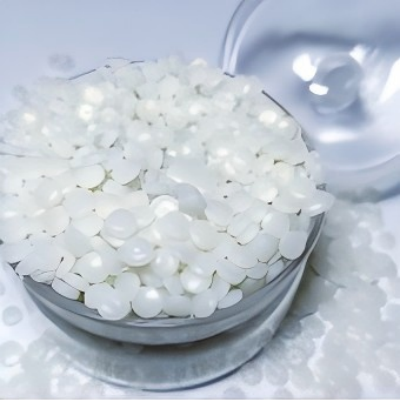
HDPE
Type: HDPE
Corrosion Resistance, Strength, Electrical Insulation
High-Density Polyethylene (HDPE) is a lightweight, chemically resistant, and high-strength material. It is flexible and tough, commonly used in applications such as food packaging (e.g., food containers), agricultural films, daily necessities (e.g., storage boxes), and water tanks.
HDPE
Type: HDPE
Résistant à la Corrosion, Résistance, Isolation Électrique
Polyéthylène haute densité (HDPE), matériau léger, résistant aux produits chimiques et de haute résistance. Flexible et robuste, il est couramment utilisé pour des applications telles que l’emballage alimentaire (par exemple récipients alimentaires), les films agricoles, les articles du quotidien (comme boîtes de rangement) et les réservoirs d’eau.
HDPE
Type: HDPE
Resistente a la Corrosión, Resistencia, Aislamiento Eléctrico
Polietileno de alta densidad (HDPE), material ligero, resistente a productos químicos y de alta resistencia. Flexible y resistente, se utiliza comúnmente en aplicaciones como envases de alimentos (por ejemplo recipientes), películas agrícolas, artículos de uso diario (como cajas de almacenamiento) y tanques de agua.
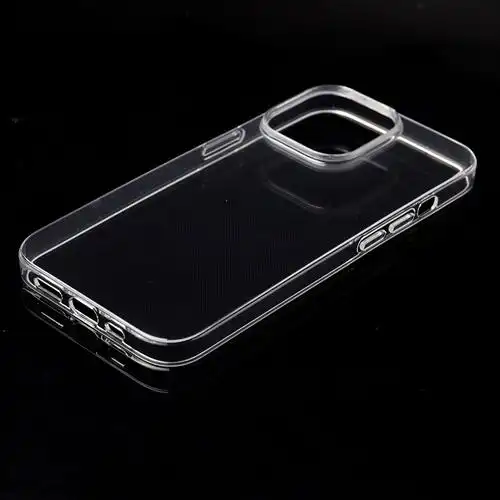
PC
Type: PC
Impact Resistance, Processability
PC (polycarbonate, commonly known as bulletproof glue) is inherently pale yellow or colorless and transparent, featuring hardness, toughness and luster. It boasts prominent advantages: with a light transmittance of 90%, it not only has good mechanical strength but also excellent impact resistance, along with outstanding heat resistance and weatherability.
PC
Type: PC
Résistance aux Chocs, Processabilité
PC (polycarbonate, communément appelé colle pare-balles), naturellement jaune pâle ou incolore et transparent, présentant dureté, résistance et éclat. Il possède des avantages remarquables : avec une transmission lumineuse de 90 %, il offre non seulement une bonne résistance mécanique mais aussi une excellente résistance aux chocs, ainsi qu’une remarquable résistance à la chaleur et aux intempéries.
PC
Type: PC
Resistencia al Impacto, Procesabilidad
PC (policarbonato, comúnmente conocido como “pegamento antibalas”), de color amarillo pálido o incoloro y transparente por naturaleza, que presenta dureza, resistencia y brillo. Cuenta con ventajas destacadas: con una transmitancia de luz del 90 %, no solo tiene buena resistencia mecánica sino también excelente resistencia al impacto, además de sobresaliente resistencia al calor y a la intemperie.
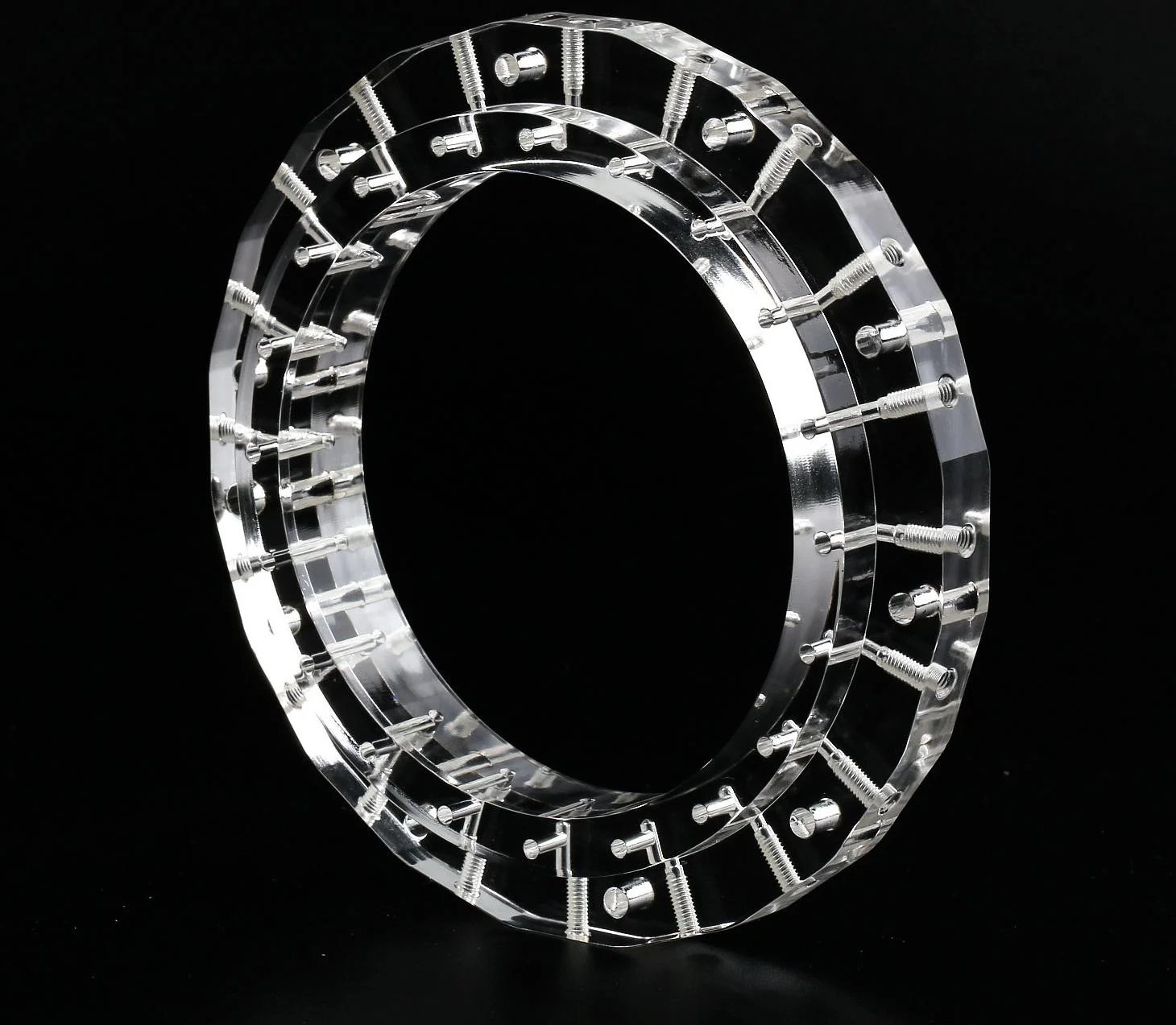
PMMA (Acrylic)
Type: PMMA (Acrylic)
Impact Resistance, High Transparency, Weather Resistance
Acrylic (also known as polymethyl methacrylate, PMMA) boasts not only excellent optical performance but also outstanding UV resistance. With a light transmittance of up to 92%—comparable to glass—it has become a popular material in scenarios ranging from neon signs in shopping malls and display case panels in museums to precision optical lenses and stage light covers.