
Compare 3D Printing Materials
Explore and compare 3D printing materials to find the best fit for your project. From durable plastics to flexible resins, our guide highlights key properties like strength, flexibility, and surface finish, helping you choose the right material for prototyping, production, or custom parts.
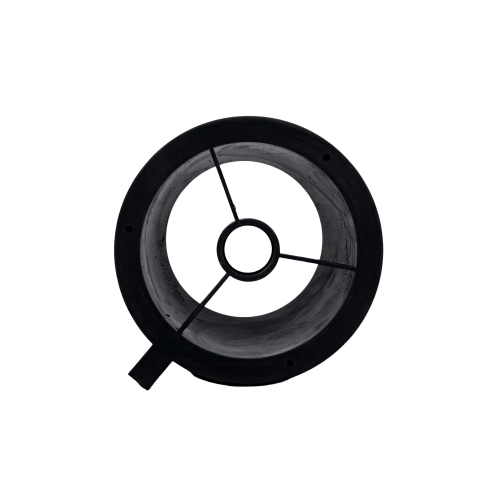
Tough Resin
Process: SLA
Durability, Strength
3D printing tough resin material is designed for printing projects that require high durability and impact resistance. It offers excellent mechanical properties, capable of withstanding high pressure and severe impact, while maintaining precise printing details. Whether creating prototypes, functional parts, or industrial applications, the tough resin provides an ideal balance—finding the sweet spot between strength and flexibility.
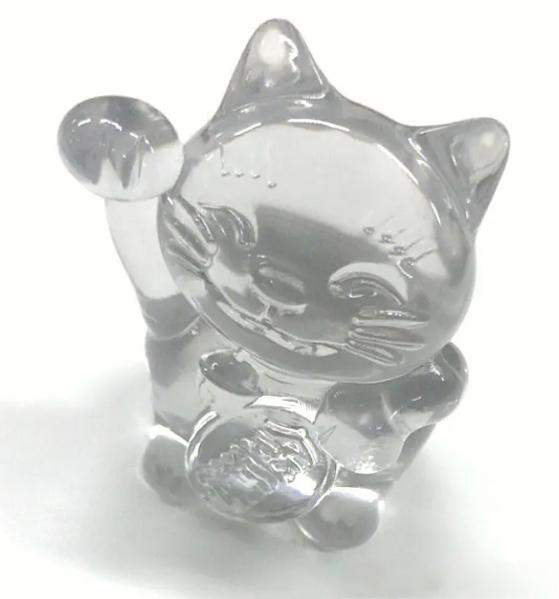
PC-Like Translucent
Process: SLA
Transparency, Stiffness
PC-like translucent material combines excellent translucency with high stiffness, making it an ideal choice for precision components. Through customized post-processing, functional light-transmitting effects can be achieved, delivering both aesthetic appeal and performance. With high tensile strength and modulus, this material is especially suited for creating functional prototypes that emulate injection-molded polycarbonate, meeting the dual demands of mechanical performance and visual quality for engineering prototypes and small-batch production.
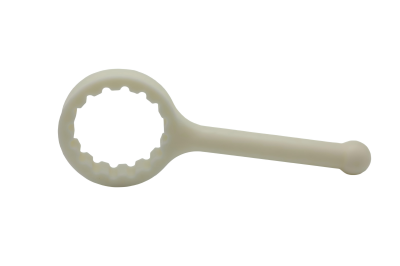
PC-Like Advanced Temp
Process: SLA
Temperature Resistance, Strength, Stiffness
PC-Like Advanced High Temp is a high-temperature reinforced material with properties similar to polycarbonate, specifically designed for functional parts that require a combination of high strength, stiffness, and heat resistance. Post-curing can further increase the heat deflection temperature of the parts, enhancing their stability and reliability in high-temperature environments. It should be noted that post-curing may reduce some aspects of durability, so a balance between strength and toughness should be considered during design.
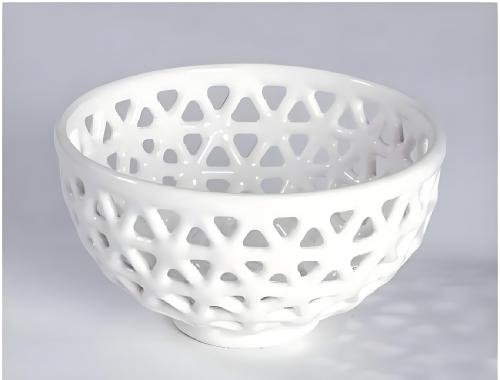
Ceramic-Like
Process: SLA
Heat Resistance, Strength, Stiffness
The high-temperature reinforced ceramic white combines exceptional heat resistance with outstanding strength and stiffness, making it an ideal choice for functional parts and high-performance prototypes. Post-curing further enhances its mechanical properties and thermal stability, providing reliable performance for complex geometries. Whether for aerospace, precision molds, electronic insulators, or laboratory equipment, this ceramic material meets the highest standards under demanding conditions, delivering solid support for innovative designs and high-performance manufacturing.
PA+GF
Process: SLS or MJF
Temperature Resistance, Durability, Dimensional Stability
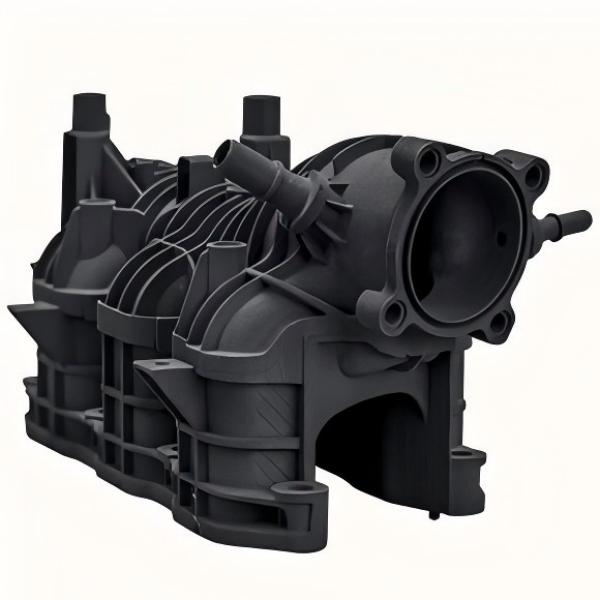
PA+GF is a polyamide powder material reinforced with glass beads, which significantly improves stiffness and dimensional stability. Compared with unfilled polyamide, this material offers higher heat resistance and demonstrates excellent long-term wear performance. However, due to the addition of glass, its impact strength and tensile strength are relatively lower than those of other nylons.
PA-Like
Process: SLS or MJF
Durability, Temperature Resistant
Nylon is a high-performance engineering polymer with well-balanced properties. It offers high strength, excellent toughness, and outstanding wear resistance, along with superior chemical resistance and thermal stability, ensuring reliable performance even under demanding conditions. Thanks to its lightweight and high reliability, nylon materials are widely used in automotive, medical, aerospace, and consumer products, making them an ideal choice for applications requiring both functionality and durability.
Inconel 718
Process: SLM
Fatigue Resistant, Temperature Resistance, Corrosion Resistance, Strength
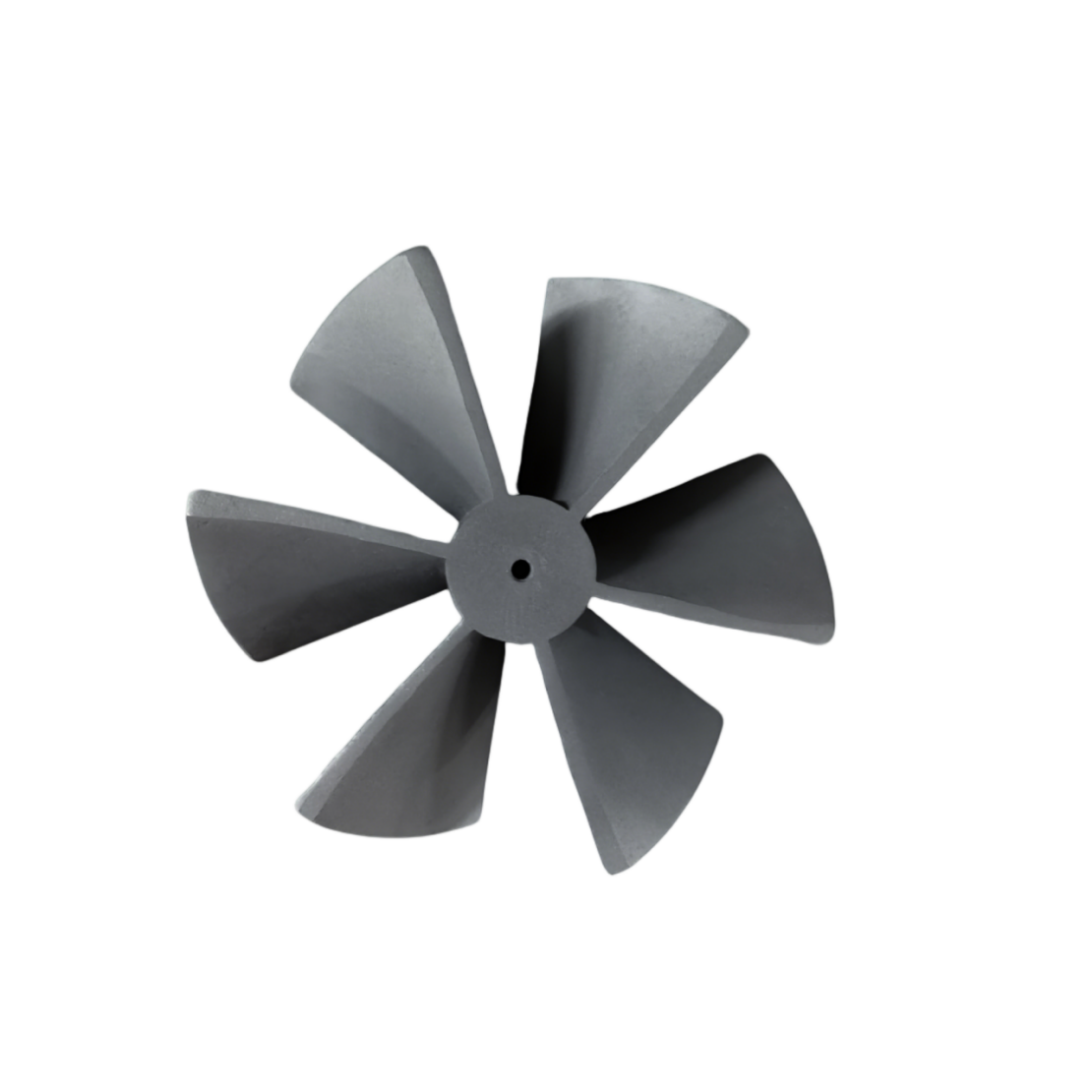
Inconel 718 is known for its outstanding high-temperature strength, creep resistance, and corrosion resistance. The material can withstand operating temperatures above 700°C while maintaining excellent fatigue and fracture resistance. Through additive manufacturing, GH4169 can produce parts with complex geometries and is widely used in aerospace engines, gas turbines, high-temperature molds, and high-performance industrial components.
Disadvantages: High cost; complex heat treatment process; thin-walled structures require careful design; default surface roughness Ra10–12.Inconel 718
Process: SLM
Resistente a la Fatiga, Resistencia a la Temperatura, Resistente a la Corrosión, Resistencia
Inconel 718 es conocido por su sobresaliente resistencia a altas temperaturas, resistencia al fluencia y resistencia a la corrosión. El material puede soportar temperaturas de operación superiores a 700 °C mientras mantiene una excelente resistencia a la fatiga y a la fractura. A través de la fabricación aditiva, GH4169 permite producir piezas con geometrías complejas y se utiliza ampliamente en motores aeroespaciales, turbinas de gas, moldes de alta temperatura y componentes industriales de alto rendimiento.
Desventajas: alto costo; proceso de tratamiento térmico complejo; estructuras de paredes delgadas requieren un diseño cuidadoso; rugosidad superficial por defecto Ra 10–12.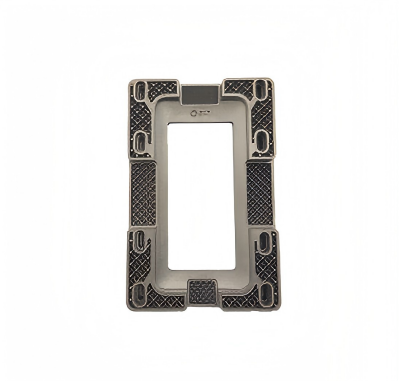
Stainless Steel 17-4PH
Process: SLM
Corrosion Resistance, HighStrength, Wear Resistant
17-4 PH stainless steel is a precipitation-hardening stainless steel known for its excellent hardness and corrosion resistance. Through vacuum solution heat treatment and H900 aging treatment, printed parts can achieve high strength, high hardness, and good wear resistance. 17-4 PH stainless steel is suitable for manufacturing industrial components that require high strength, corrosion resistance, and complex structures, such as aerospace parts, molds, and high-load machinery.
Disadvantages: Low elongation (≤16% after heat treatment); weak magnetism after heat treatment.Stainless Steel 17-4PH
Process: SLM
Alta Resistencia, Resistente a la Corrosión, Resistente al Desgaste
Acero inoxidable 17-4 PH, acero inoxidable de endurecimiento por precipitación conocido por su excelente dureza y resistencia a la corrosión. Mediante tratamiento térmico de solución al vacío y envejecimiento H900, las piezas impresas pueden alcanzar alta resistencia, gran dureza y buena resistencia al desgaste. El acero inoxidable 17-4 PH es adecuado para fabricar componentes industriales que requieren alta resistencia, resistencia a la corrosión y estructuras complejas, como piezas aeroespaciales, moldes y maquinaria de alta carga.
Desventajas: baja elongación (≤16 % después del tratamiento térmico); magnetismo débil tras el tratamiento térmico.