
Compare 3D Printing Materials
Explore and compare 3D printing materials to find the best fit for your project. From durable plastics to flexible resins, our guide highlights key properties like strength, flexibility, and surface finish, helping you choose the right material for prototyping, production, or custom parts.

Red wax
Process: DLP
High Precision, Smooth Surface
Wax materials are a special type of material commonly used in 3D printing, primarily applied in rapid prototyping and precision casting. They offer excellent flowability and moldability, allowing for high-precision detail during the printing process. Red wax, in particular, has a vivid color, usually deep red, hence the name “red wax.” One of its key features is its ability to melt quickly when heated, facilitating subsequent casting processes, making it especially suitable for jewelry, art sculptures, and the manufacture of complex mechanical parts.
In addition, red wax materials have moderate hardness and a smooth surface, requiring minimal post-processing after printing, which helps maintain the accuracy and surface quality of the print. Because it can be melted at high temperatures, it is also commonly used in the “lost wax casting” process, playing a crucial role in precision casting.
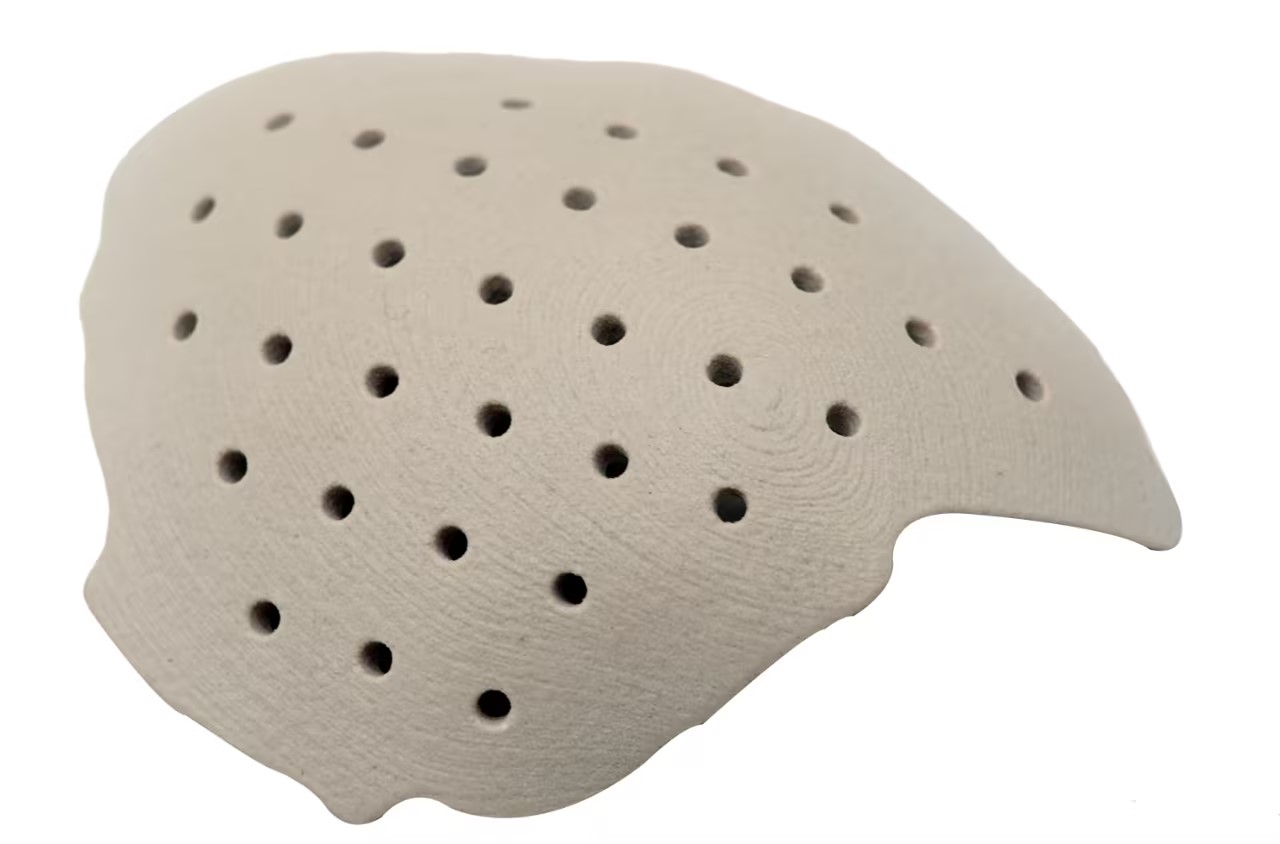
PEEK
Process:
Corrosion Resistance, Strength, Temperature Resistant
PEEK (Polyether Ether Ketone) is a high-performance engineering plastic widely used in aerospace, automotive, medical, and electronics industries. As a material that is resistant to high temperatures, chemical corrosion, and wear, PEEK offers exceptional strength and rigidity in 3D printing, making it suitable for demanding functional parts. It can withstand temperatures exceeding 250°C and maintain stable performance under high loads and extreme conditions. PEEK also has excellent electrical insulation properties and biocompatibility, making it an ideal choice for medical implants and high-end industrial components.
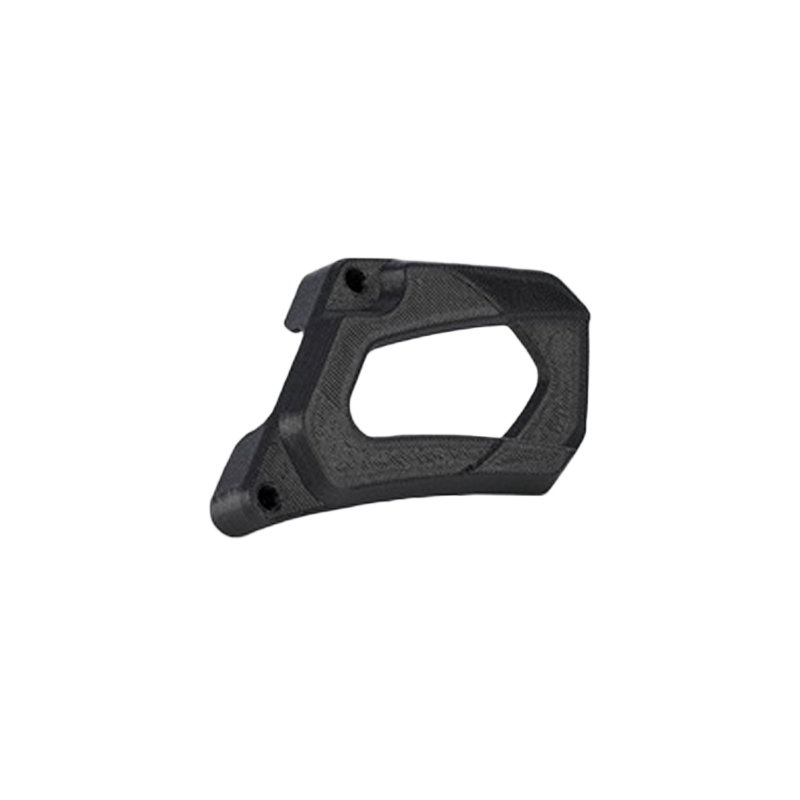
PLA
Process: FDM
Durability, Biodegradable, RichColors, Economical
PLA is a high-quality, high-performance, and cost-effective 3D printing material, offering excellent layer adhesion and impact resistance, resulting in durable and long-lasting prints. The base series comes in up to 30 colors, ensuring uniform color consistency and stable printing quality. PLA is made from renewable plant-based resources, eco-friendly, non-toxic, and biodegradable. It is reliable, easy to use, and provides high cost-performance with a wide range of colors, making it an ideal choice for home, education, and industrial printing.
PLA
Process: FDM
Durabilité, Biodégradable, Couleurs Riches, Économique
PLA, matériau d’impression 3D de haute qualité, haute performance et économique, offrant une excellente adhésion entre les couches et une bonne résistance aux impacts, ce qui garantit des pièces durables et fiables. La série de base propose jusqu’à 30 couleurs, assurant une uniformité chromatique et une qualité d’impression stable. Issu de ressources végétales renouvelables, PLA est écologique, non toxique et biodégradable. Fiable, facile à utiliser et doté d’un excellent rapport qualité-prix, avec un large choix de couleurs, il constitue un choix idéal pour l’impression domestique, éducative et industrielle.
PLA
Process: FDM
Durabilidad, Biodegradable, Colores Ricos, Económico
PLA, material de impresión 3D de alta calidad, alto rendimiento y bajo costo, que ofrece una excelente adhesión entre capas y buena resistencia al impacto, lo que resulta en piezas duraderas y resistentes. La serie básica incluye hasta 30 colores, garantizando uniformidad cromática y una calidad de impresión estable. Fabricado a partir de recursos vegetales renovables, PLA es ecológico, no tóxico y biodegradable. Confiable, fácil de usar y con una excelente relación calidad-precio, además de una amplia variedad de colores, es una opción ideal para la impresión en el hogar, la educación y la industria.
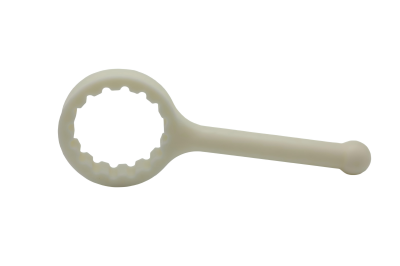
PC-Like Advanced Temp
Process: SLA
Temperature Resistance, Strength, Stiffness
PC-Like Advanced High Temp is a high-temperature reinforced material with properties similar to polycarbonate, specifically designed for functional parts that require a combination of high strength, stiffness, and heat resistance. Post-curing can further increase the heat deflection temperature of the parts, enhancing their stability and reliability in high-temperature environments. It should be noted that post-curing may reduce some aspects of durability, so a balance between strength and toughness should be considered during design.
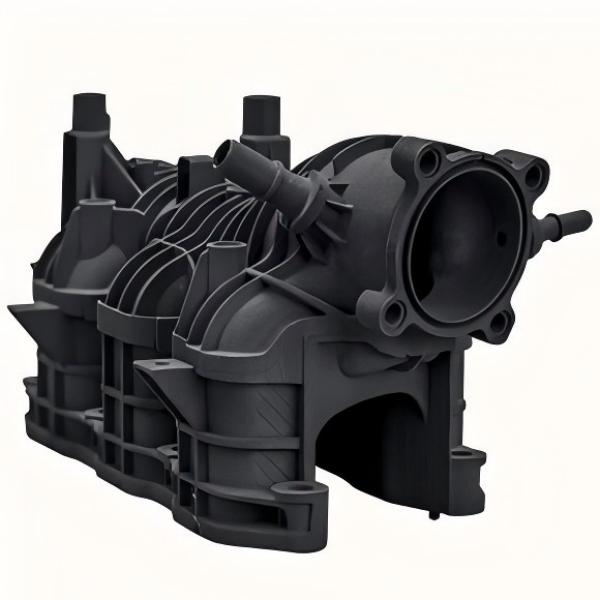
PA+GF
Process: SLS or MJF
Temperature Resistance, Durability, Dimensional Stability
PA+GF is a polyamide powder material reinforced with glass beads, which significantly improves stiffness and dimensional stability. Compared with unfilled polyamide, this material offers higher heat resistance and demonstrates excellent long-term wear performance. However, due to the addition of glass, its impact strength and tensile strength are relatively lower than those of other nylons.
PA-Like
Process: SLS or MJF
Durability, Temperature Resistant
Nylon is a high-performance engineering polymer with well-balanced properties. It offers high strength, excellent toughness, and outstanding wear resistance, along with superior chemical resistance and thermal stability, ensuring reliable performance even under demanding conditions. Thanks to its lightweight and high reliability, nylon materials are widely used in automotive, medical, aerospace, and consumer products, making them an ideal choice for applications requiring both functionality and durability.
Inconel 718
Process: SLM
Fatigue Resistant, Temperature Resistance, Corrosion Resistance, Strength
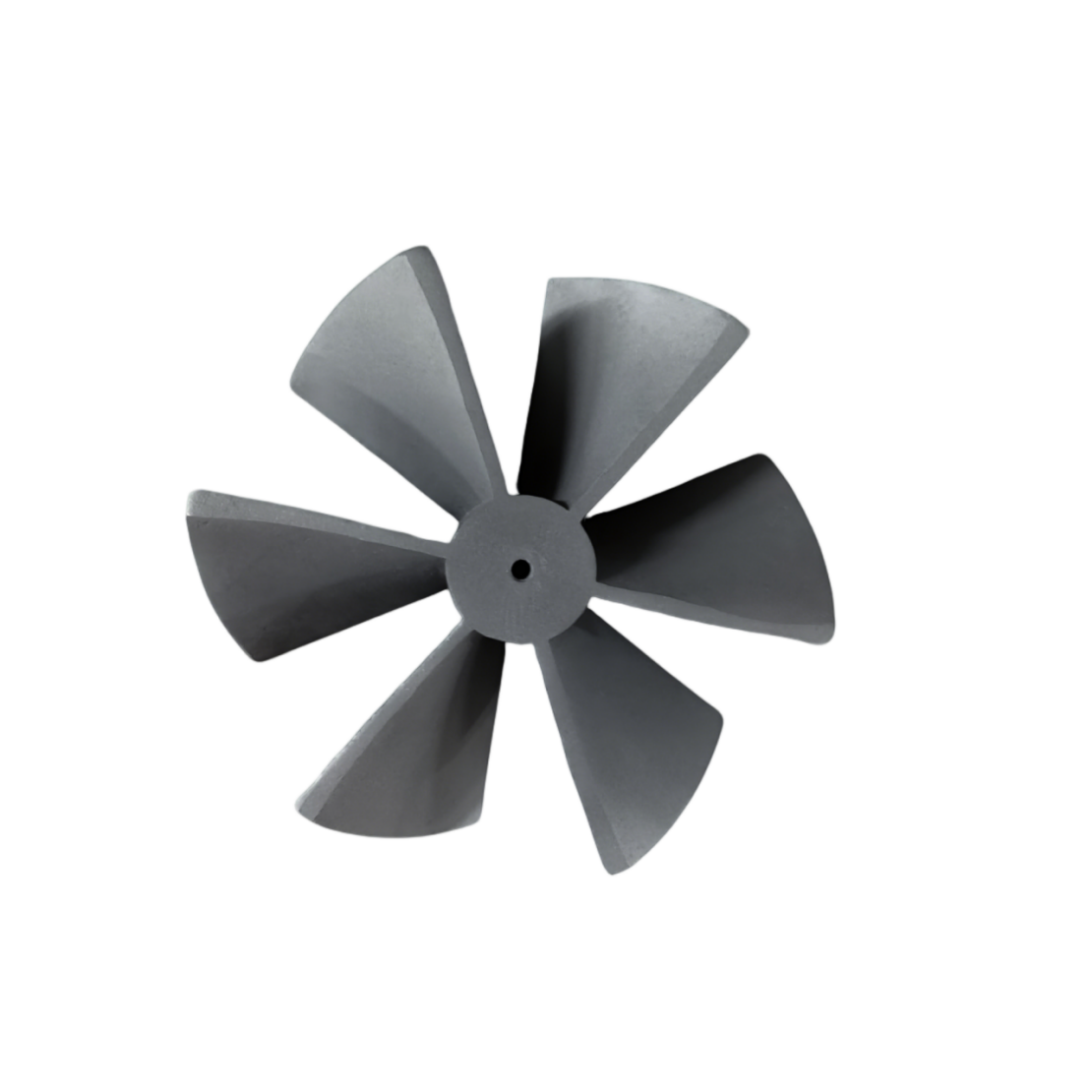
Inconel 718 is known for its outstanding high-temperature strength, creep resistance, and corrosion resistance. The material can withstand operating temperatures above 700°C while maintaining excellent fatigue and fracture resistance. Through additive manufacturing, GH4169 can produce parts with complex geometries and is widely used in aerospace engines, gas turbines, high-temperature molds, and high-performance industrial components.
Disadvantages: High cost; complex heat treatment process; thin-walled structures require careful design; default surface roughness Ra10–12.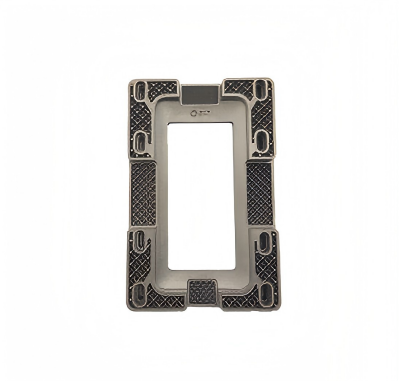
Stainless Steel 17-4PH
Process: SLM
Corrosion Resistance, HighStrength, Wear Resistant
17-4 PH stainless steel is a precipitation-hardening stainless steel known for its excellent hardness and corrosion resistance. Through vacuum solution heat treatment and H900 aging treatment, printed parts can achieve high strength, high hardness, and good wear resistance. 17-4 PH stainless steel is suitable for manufacturing industrial components that require high strength, corrosion resistance, and complex structures, such as aerospace parts, molds, and high-load machinery.
Disadvantages: Low elongation (≤16% after heat treatment); weak magnetism after heat treatment.