
Injection Molding Materials
Choosing the right injection molding material can make or break your project. Our comprehensive guide helps you quickly compare options based on strength, flexibility, and heat resistance, so you can confidently select the ideal material for prototypes, production parts, or custom designs—ensuring high-quality results every time.
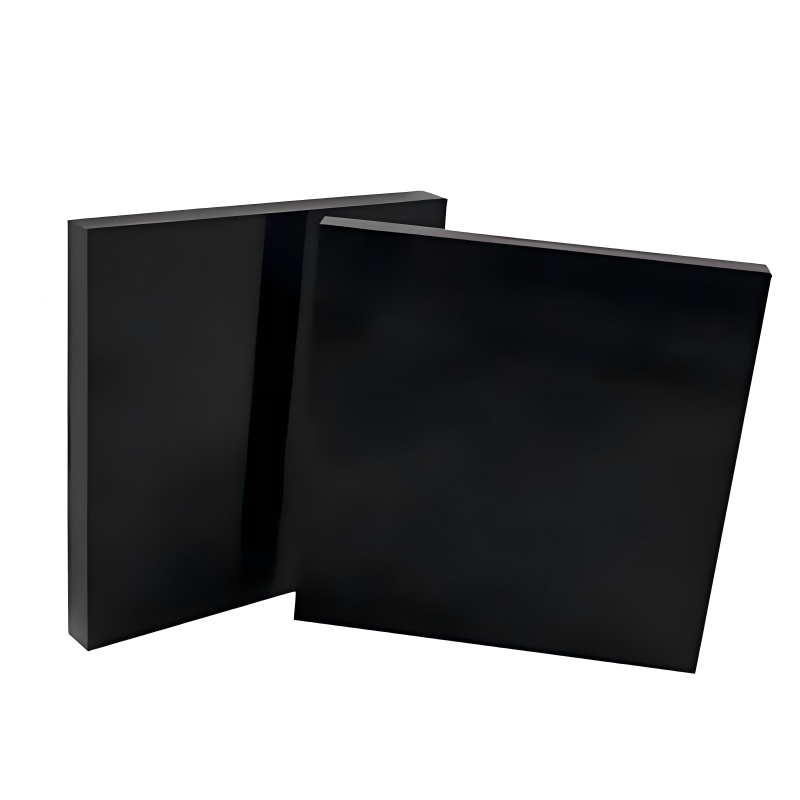
PC+GF
Type: PC+GF
Impact Resistance, Strength, Aging Resistance
PC+GF (polycarbonate + glass fiber reinforced composite material) is a reinforced engineering plastic made by adding glass fiber (abbreviated as GF) to a polycarbonate (PC) matrix. The addition of glass fiber can significantly improve the mechanical properties and stability of pure PC while retaining some of PC’s excellent inherent properties, making it suitable for scenarios with high requirements for strength, rigidity, and dimensional accuracy. It features high strength, high rigidity, and heat resistance, and is ideal for automotive parts, electrical enclosures, and structural components.
PC+GF
Type: PC+GF
Impact Resistance, Strength, Aging Resistance
PC+GF (polycarbonate + glass fiber reinforced composite material) is a reinforced engineering plastic made by adding glass fiber (abbreviated as GF) to a polycarbonate (PC) matrix. The addition of glass fiber can significantly improve the mechanical properties and stability of pure PC while retaining some of PC’s excellent inherent properties, making it suitable for scenarios with high requirements for strength, rigidity, and dimensional accuracy. It features high strength, high rigidity, and heat resistance, and is ideal for automotive parts, electrical enclosures, and structural components.
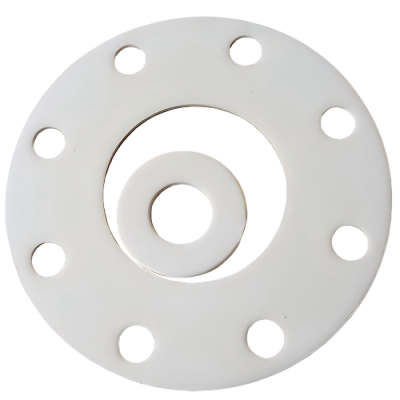
PTFE
Type: PTFE
Temperature Resistance, Corrosion Resistance, low friction Coefficient, Aging Resistance
Polytetrafluoroethylene (PTFE), commonly known as Teflon, is a high-performance fluoropolymer. It is frequently used in mechanical components requiring reduced friction and wear—such as bearings, gears, and piston rings—due to its non-stick properties, low friction characteristics, and self-lubricating capabilities. PTFE also exhibits excellent electrical insulation properties, making it highly suitable for applications like high-frequency cables, high-voltage insulators, and electronic components.
Additionally, PTFE maintains stable performance during long-term use across an extreme temperature range from -200°C (ultra-low temperature) to 260°C (high temperature), enabling its use in harsh environments such as aerospace systems, deep-sea equipment, and high-temperature industrial apparatus.
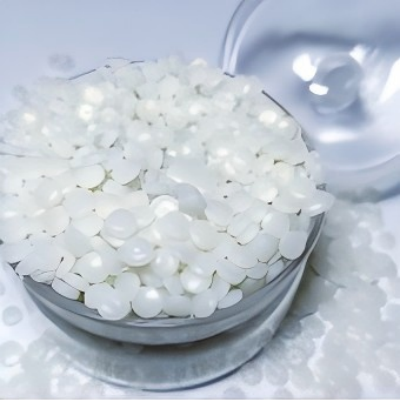
HDPE
Type: HDPE
Corrosion Resistance, Strength, Electrical Insulation
High-Density Polyethylene (HDPE) is a lightweight, chemically resistant, and high-strength material. It is flexible and tough, commonly used in applications such as food packaging (e.g., food containers), agricultural films, daily necessities (e.g., storage boxes), and water tanks.
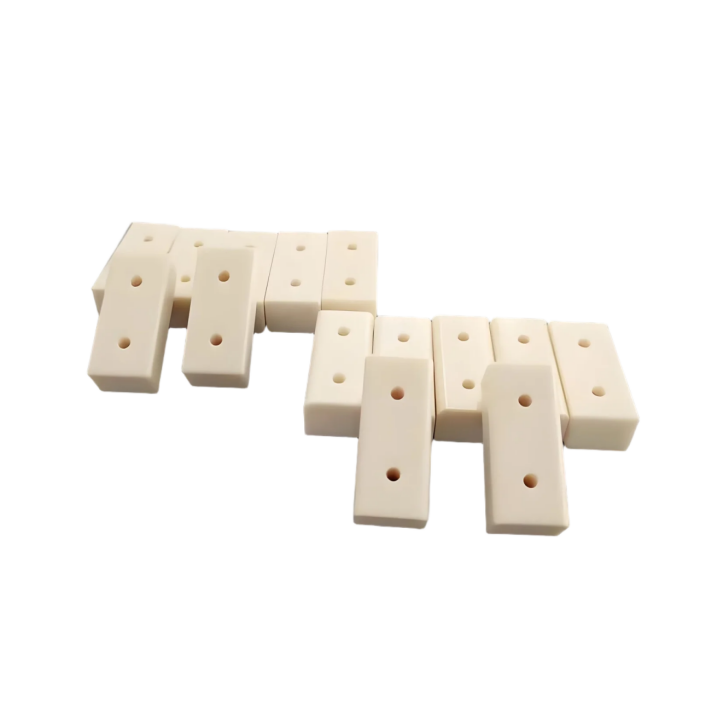
ABS
Type: ABS
Strength, Economical, Processability
ABS (Acrylonitrile-Butadiene-Styrene Copolymer) is a well-balanced engineering plastic with good mechanical properties, excellent impact resistance, and easy processability. These characteristics have led to its widespread application in fields such as consumer electronics, household appliances, automotive industry, and daily necessities.
PMMA (Acrylic)
Type: POM (Delrin)
Résistance aux Chocs, Auto-lubrifiant, Résistance aux intempéries
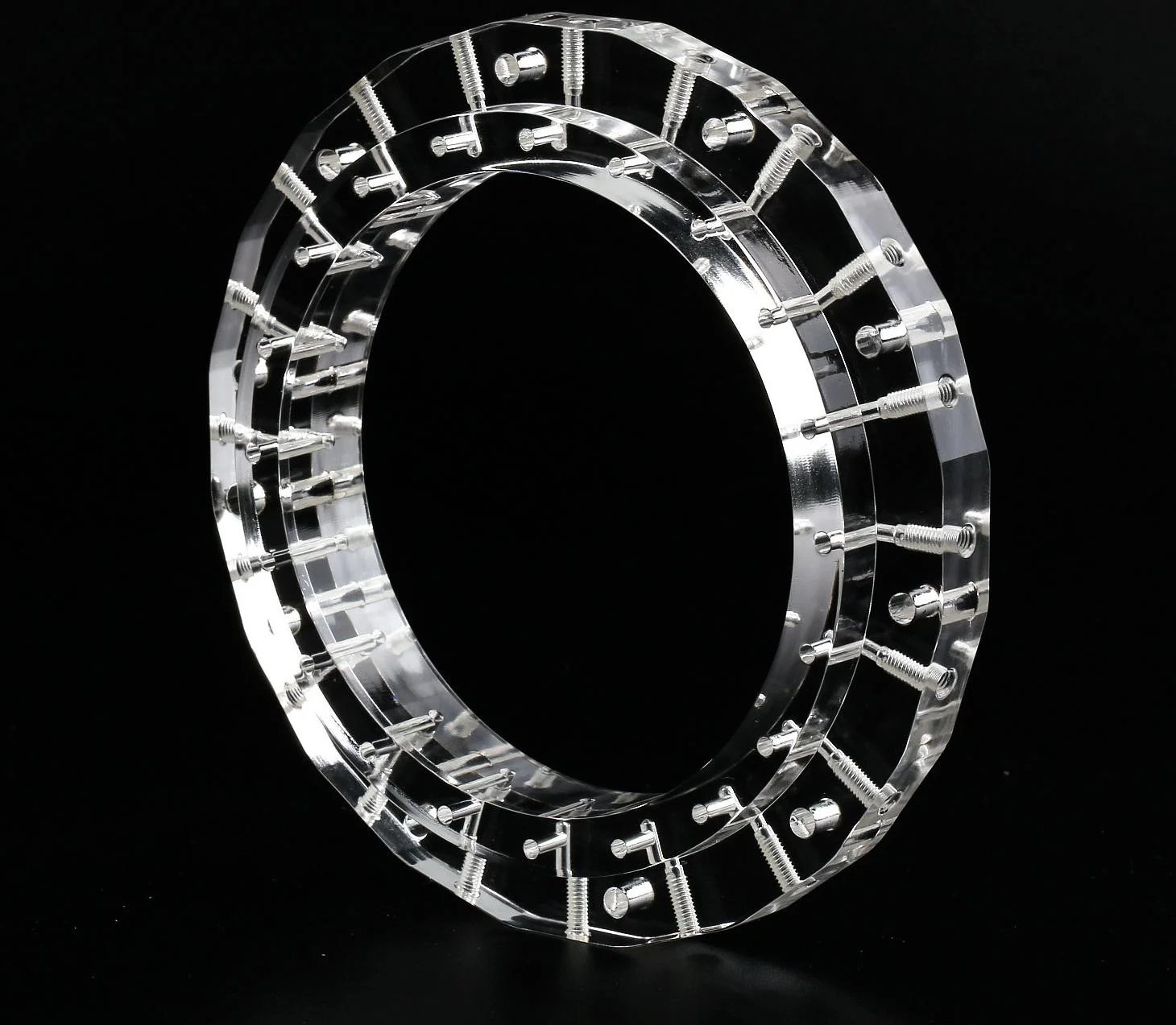
Acrylique (également appelé polyméthacrylate de méthyle, PMMA), offrant non seulement d’excellentes performances optiques mais aussi une remarquable résistance aux UV. Avec une transmission lumineuse pouvant atteindre 92 % — comparable à celle du verre — il est devenu un matériau très prisé, utilisé pour les enseignes lumineuses des centres commerciaux, les panneaux de vitrines de musées, les lentilles optiques de précision et les capots de projecteurs de scène.
POM (Delrin)
Type: POM (Delrin)
Impact Resistance, Chemical Resistant
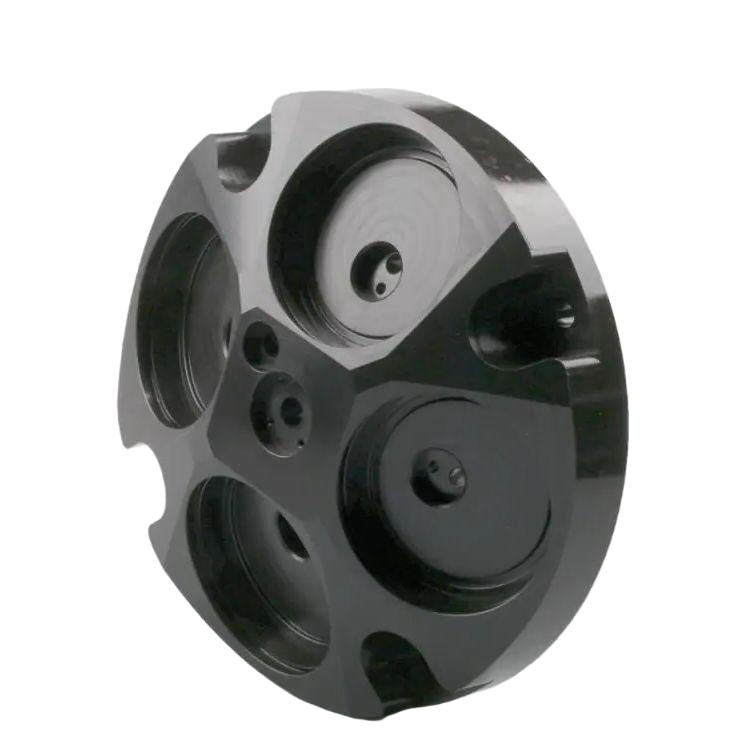
Polyoxymethylene (POM) is a premium high-performance engineering plastic. Known for its metal-like mechanical strength, it offers exceptional hardness, rigidity, impact and fatigue resistance, as well as outstanding wear resistance and self-lubrication. POM also provides excellent dimensional stability, strong chemical resistance, and ease of processing. With this unique combination of properties, it has become a preferred material across industries such as machinery, automotive, electronics, and medical devices—making it an ideal replacement for metal in manufacturing high-precision, wear-resistant components.
POM (Delrin)
Type: POM (Delrin)
Résistance aux Chocs, Résistant aux Produits Chimiques
Le polyoxyméthylène (POM) est un plastique technique hautes performances de première qualité. Connu pour sa résistance mécanique proche de celle des métaux, il offre une dureté et une rigidité exceptionnelles, ainsi qu’une résistance aux chocs et à la fatigue, tout en présentant une excellente résistance à l’usure et des propriétés d’auto-lubrification. Le POM fournit également une excellente stabilité dimensionnelle, une forte résistance chimique et une grande facilité de mise en œuvre. Grâce à cette combinaison unique de propriétés, il est devenu un matériau privilégié dans des secteurs tels que la mécanique, l’automobile, l’électronique et les dispositifs médicaux, en constituant un substitut idéal au métal pour la fabrication de composants haute précision et résistants à l’usure.
POM (Delrin)
Type: POM (Delrin)
Resistencia al Impacto, Resistente a los Productos Químicos
El polioximetileno (POM) es un plástico de ingeniería de alto rendimiento de primera calidad. Conocido por su resistencia mecánica similar a la del metal, ofrece una dureza y rigidez excepcionales, así como resistencia a impactos y fatiga, además de una sobresaliente resistencia al desgaste y propiedades de autolubricación. El POM también proporciona excelente estabilidad dimensional, gran resistencia química y facilidad de procesamiento. Con esta combinación única de propiedades, se ha convertido en un material preferido en industrias como la maquinaria, automotriz, electrónica y dispositivos médicos, siendo un reemplazo ideal del metal en la fabricación de componentes de alta precisión y resistencia al desgaste.