
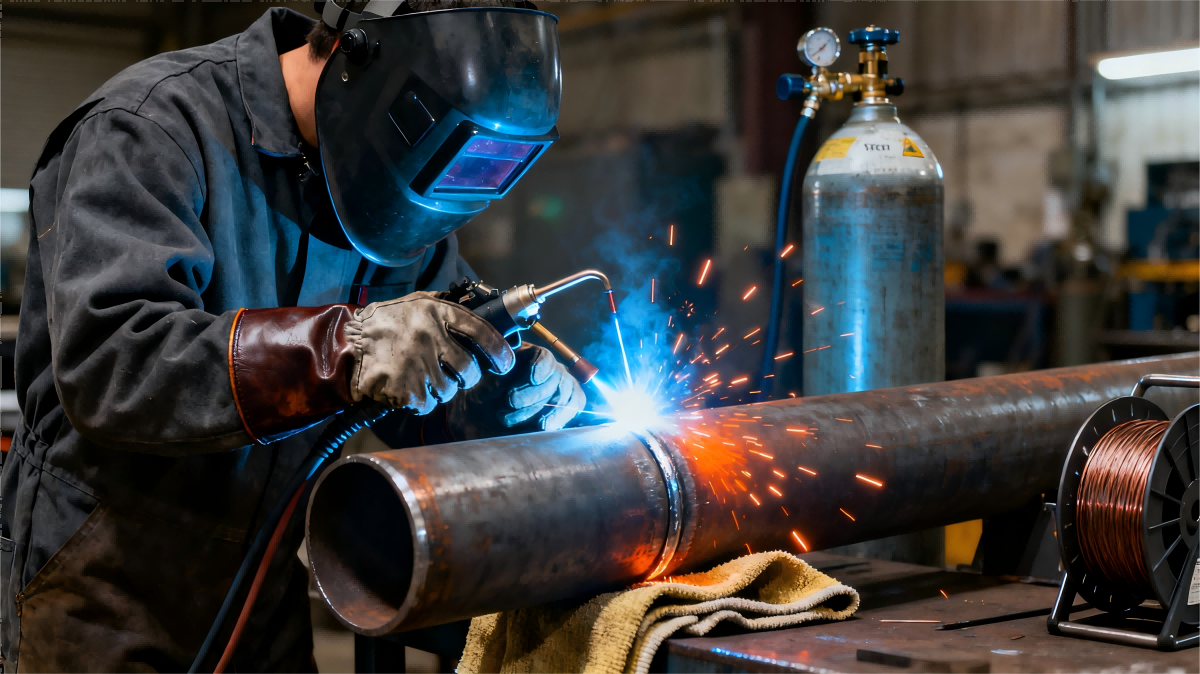
Sheet metal components are widely used in industries such as electronics, automotive, machinery manufacturing, and household appliances. Although they may seem simple, designing sheet metal parts that are both reliable and cost-effective is far from easy. A small oversight can lead to deformation during processing, assembly difficulties, or even increased manufacturing costs.
Sheet metal components are widely used in industries such as electronics, automotive, machinery manufacturing, and household appliances. Although they may seem simple, designing sheet metal parts that are both reliable and cost-effective is far from easy. A small oversight can lead to deformation during processing, assembly difficulties, or even increased manufacturing costs.
To help designers mitigate risks early, we have summarized some typical mistakes to avoid when designing sheet metal parts. By paying careful attention during the design stage, the manufacturability and overall quality of the parts can be significantly improved.
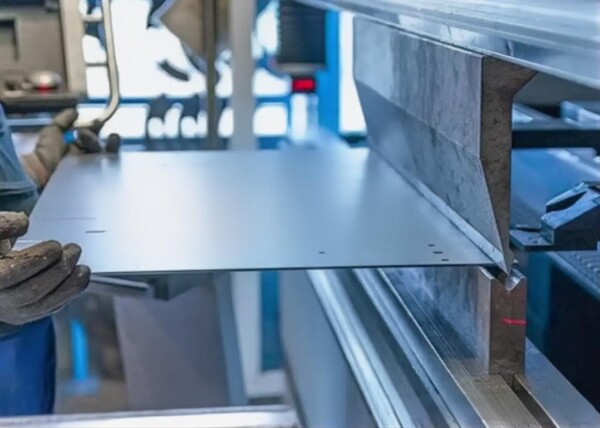
Design Guidelines for 3D Models Without Bends
Therefore, if you design a metal sheet part as a solid model, please provide a CAD file that clearly indicates the bend locations. Even if the model appears folded, the bend positions must be explicitly marked.
Additionally, since the raw material is a single metal sheet, the thickness of the entire part must be uniform. For example, if the part is designed using 1 mm thick stainless steel, the entire part must maintain a thickness of 1 mm.
Designing Perfect Vertical Sheet Metal Bends
- Inside Bend Radius (material inside): Typically 0.5–1 times the material thickness. For sheet metal bends, the inner radius is usually around this range.
-
Outside Bend Radius (material outside): Equal to the inside radius plus the material thickness.
Formula:Rout=Rin+t-
t: material thickness
Example: For a sheet thickness of 1 mm and an inner bend radius of 0.762 mm, the outer bend radius is 0.762+1≈1.7620.762 + 1 approx 1.7620.762+1≈1.762 mm.
-
Design Recommendations
Avoid Placing Holes Too Close to Bend Lines
Selecting the Appropriate Metal Sheet
In sheet metal design, selecting the appropriate metal sheet is critical to ensuring part performance, durability, and manufacturability. For example, parts intended for outdoor use should be made of corrosion-resistant materials, such as stainless steel or carbon steel with surface protection, while aluminum alloys may be more suitable for lightweight structural components.
When choosing materials, factors to consider include expected mechanical performance, corrosion resistance, appearance, manufacturability, and electrical conductivity.
| Material Type | Characteristics | Common Applications |
|---|---|---|
| Low Carbon Steel | Low cost, good machinability, weldable | General sheet metal enclosures, chassis |
| Hot-Dip Galvanized Steel | Strong corrosion resistance | Outdoor or humid environment sheet metal parts |
| Stainless Steel | Corrosion-resistant, aesthetic, moderate strength | Kitchen equipment, medical devices, decorative parts |
| (304, 316, etc.) | ||
| Aluminum Alloy Sheets (5052, 6061, etc.) | Lightweight, corrosion-resistant, easy to form | Aerospace, transportation, lightweight enclosures |
| Copper/Brass | Conductive, wear-resistant, aesthetic | Electrical components |
Selecting Appropriate Surface Finishes
In sheet metal design, choosing the right surface finish is crucial for both part performance and appearance. Surface finishes generally serve two purposes: protecting the part and enhancing its appearance, with some finishes providing both.
Appearance-Focused Finishes
Powder Coating: Improves aesthetics while providing some level of protection. However, if the coating is scratched, the underlying metal may still be exposed and susceptible to corrosion.
Protection-Focused Chemical Treatments
Galvanized / Annealed Galvanized Steel: Suitable for steel used in corrosive environments, providing a protective zinc layer.
Note: Annealed galvanized steel should not be welded directly, as it releases hazardous gases. Parts should be welded first and then galvanized.
Chromate Conversion: Provides corrosion protection and serves as a primer layer for subsequent painting, while maintaining electrical conductivity.
Aluminum-Specific Treatments
Key Considerations
Choose a Reliable Sheet Metal Fabrication Partner
Horizon has focused on sheet metal fabrication for many years, providing high-quality, precise part solutions for a wide range of industries. Whether it’s stainless steel, aluminum, or carbon steel, we utilize laser cutting, bending, stamping, and other processes to produce parts that meet your exact specifications.
Contact Horizon today for professional advice and a personalized quote, and let us turn your creative parts into reality.
Latest Post
Liquid Silicone Rubber Molding: Process, Benefits, Applications, and Design Considerations
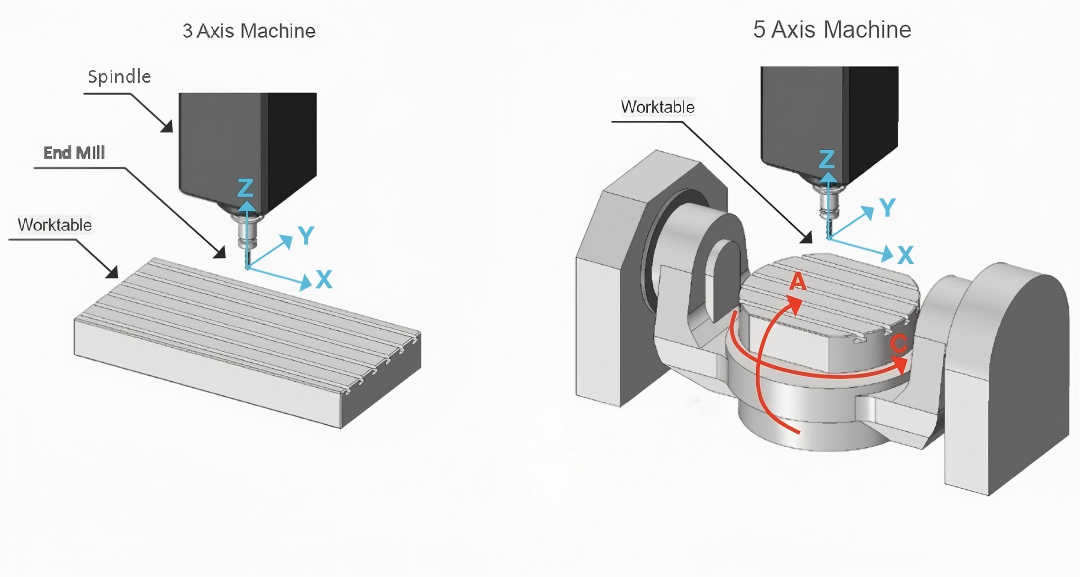
What is a 5-axis machine? The differences from 3-axis machines and their applications.
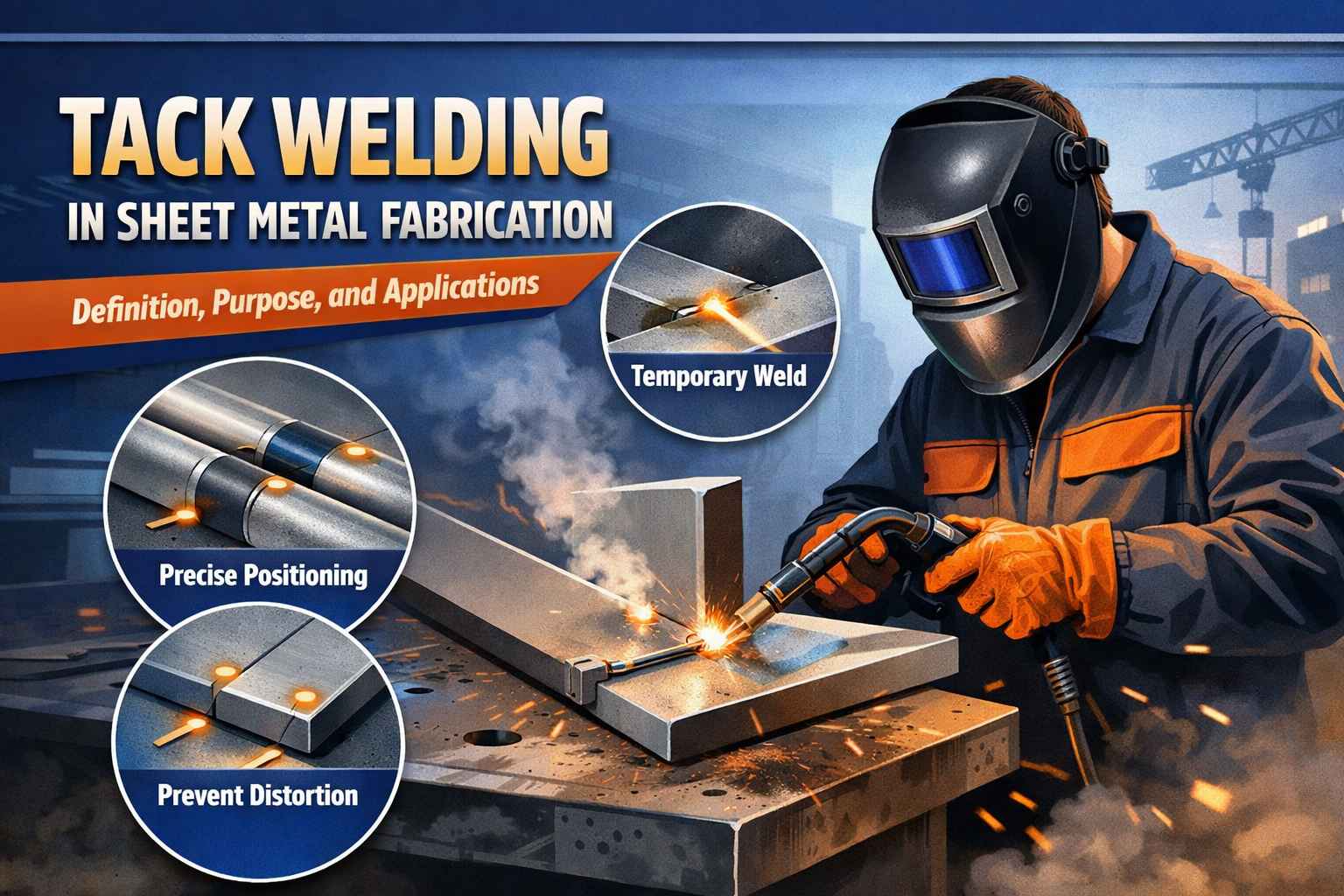
What Is a Tack Weld? Definition, Purpose, and Applications
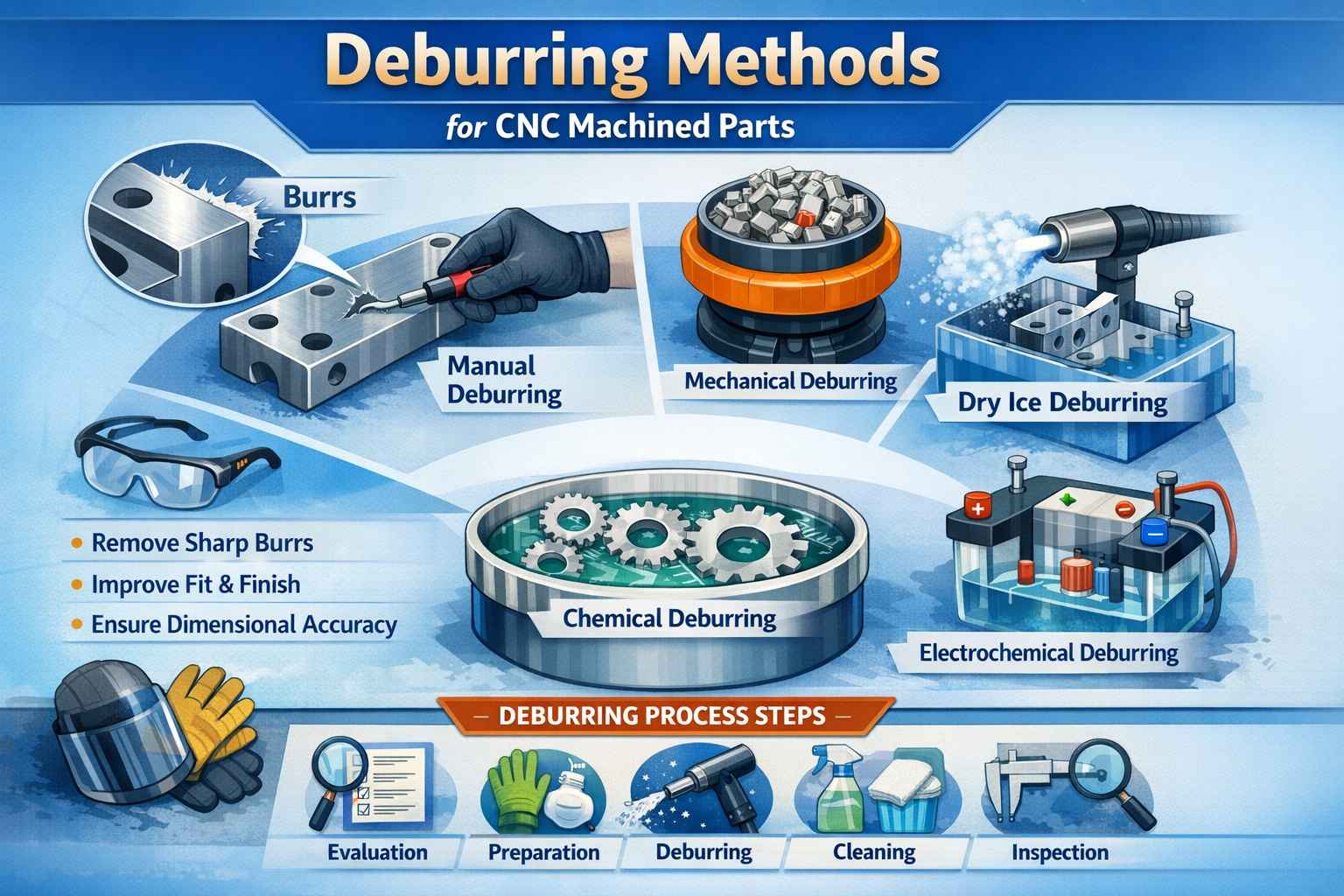
How to Remove Burrs from CNC Machined Parts: Common Deburring Methods Explained