

Explore Quality, DFM & Procurement Guides
A reorder can carry the same part number while arriving with a different fit, color, or assembly feel. The drawing may be unchanged, yet the stock condition, cutter strategy, mold setting, finishing source, or inspection fixture has moved. The purchasing problem is deciding which differences matter before the next batch ships.
An on demand manufacturing repeat order specification should preserve the approved product requirements and the process evidence needed to reproduce them. It should also identify changes that require review, rather than freezing every incidental shop preference. A replacement machine can be acceptable; an unreviewed change to a sealing surface may not be.
The useful baseline is a controlled release package tied to a particular revision and acceptance decision. Its contents depend on the part’s failure modes. An enclosure may need finish masters and assembly checks, while a locating component needs datum-based dimensions and a defined measurement setup. Separate these requirements from the historic purchase order’s commercial terms.
The following approach concentrates on continuity between builds. For the broader manufacturing route, the low-volume manufacturing service provides context without replacing the repeat-order release package.
What should an on demand manufacturing repeat order specification preserve?
Preserve the approved requirements and change boundaries.
Link the drawing, material, process-sensitive features, inspection method and approved deviations to one release, then define which changes require fresh evidence before the next batch can ship.
Begin with the accepted part revision, not the most recent file in an email thread. Include model and drawing identifiers, the bill of materials, finish specifications, functional tests, and any approved concession with its expiration. A sample marked simply “good” cannot explain whether an observed tool mark was accepted deliberately or overlooked.
Record process details selectively. Preserve a setup or operation when it controls a demonstrated risk, such as machining a locating face after distortion-producing treatment. Avoid making every recorded feed or fixture bolt a contractual restriction. An unnecessarily rigid package can prevent a sound improvement without protecting the product.
Use a defined datum system for dimensional acceptance. The ASME Y14.5 scope concerns dimensioning and tolerancing; cite the agreed drawing system and edition rather than assuming all supplier reports interpret the same symbols identically.
Material and finish substitutions
A commercially similar material is not automatically an engineering equivalent. Alloy or resin designation, condition, additives, color, and relevant supplier grade can influence the features that made the first batch acceptable. State which attributes are fixed and which may be proposed as substitutions.
For a machined component, a change from one stock form or condition to another may alter movement during material removal. For a molding, a nominal polymer family does not preserve flow, shrinkage, or conditioning behavior. Autodesk’s discussion of injection-molding warpage causes identifies material, cooling, and orientation effects, supporting a review of these inputs rather than a name-only comparison.
Treat finishing as a separate substitution decision. A changed coating system can affect contact resistance, mask boundaries, adhesive bonding, or assembled clearance even when its color looks close. Preserve the functional requirement and its test method alongside any visual master.
The change request should identify old and proposed inputs, affected characteristics, supporting evidence, and the person authorized to approve them. Silence from purchasing is not a technical disposition.
Inspection evidence for a repeat batch
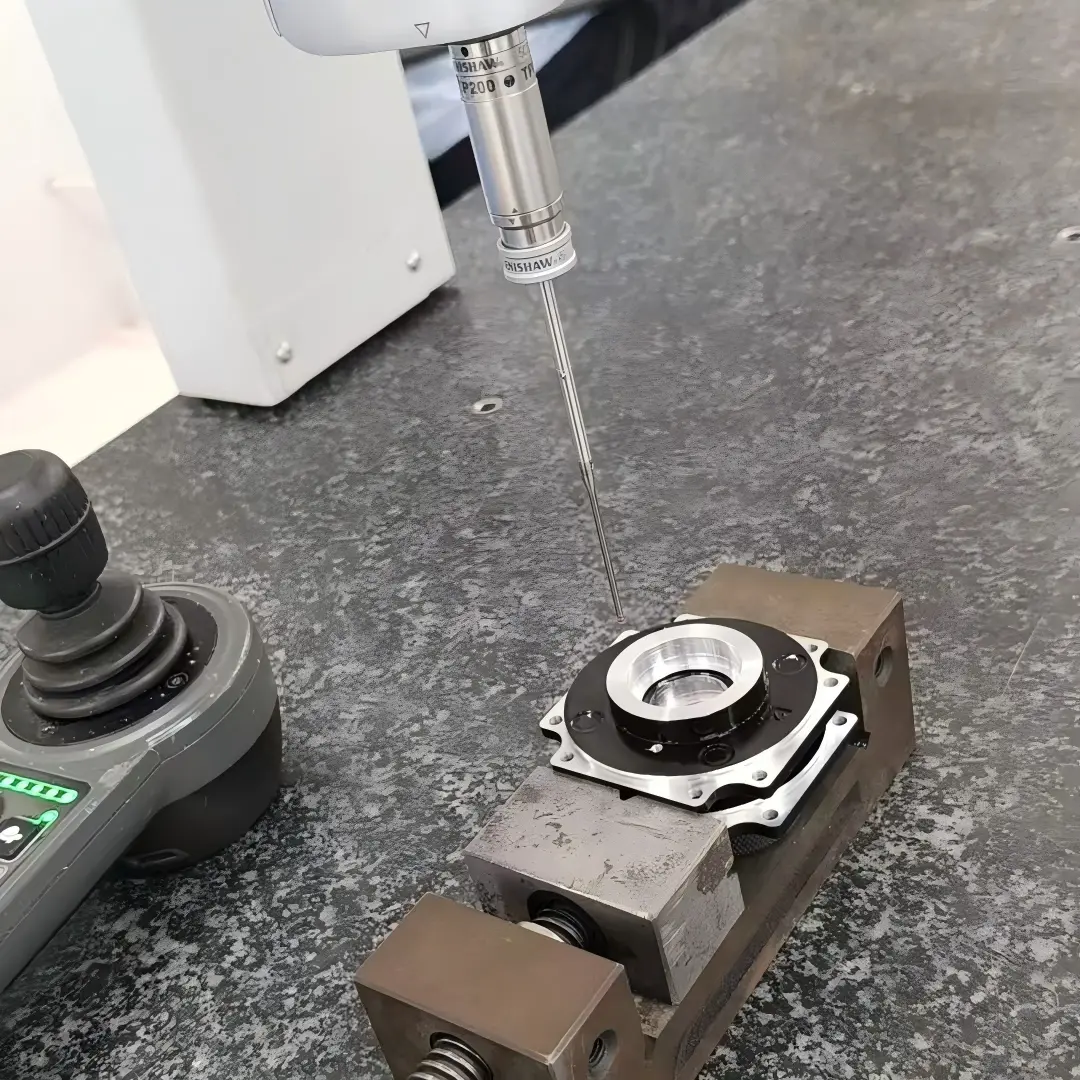
A repeat batch needs evidence that is comparable with the accepted baseline. A spreadsheet containing the same dimension names is insufficient if datum alignment, clamping, conditioning, or probe access changed. Specify the characteristics whose results must be directly comparable and retain the measurement method for those features.
Include actual results rather than only a blanket pass statement where the decision depends on margin. Identify material lots, cavities or fixtures when these can produce different populations. Mixing them into one average can conceal a shifted cavity or a setup-specific defect.
NIST’s treatment of measurement variability distinguishes short-term precision from changes across time. A good repeat reading on one part therefore does not establish that a measurement process remained comparable between orders.
Use an unchanged reference artifact or retained part as a transfer check when appropriate, but record its storage and condition. For an approved prototype route, rapid prototyping evidence remains useful only for the characteristics that its process and measurement conditions actually represented.
Control deviations before shipment
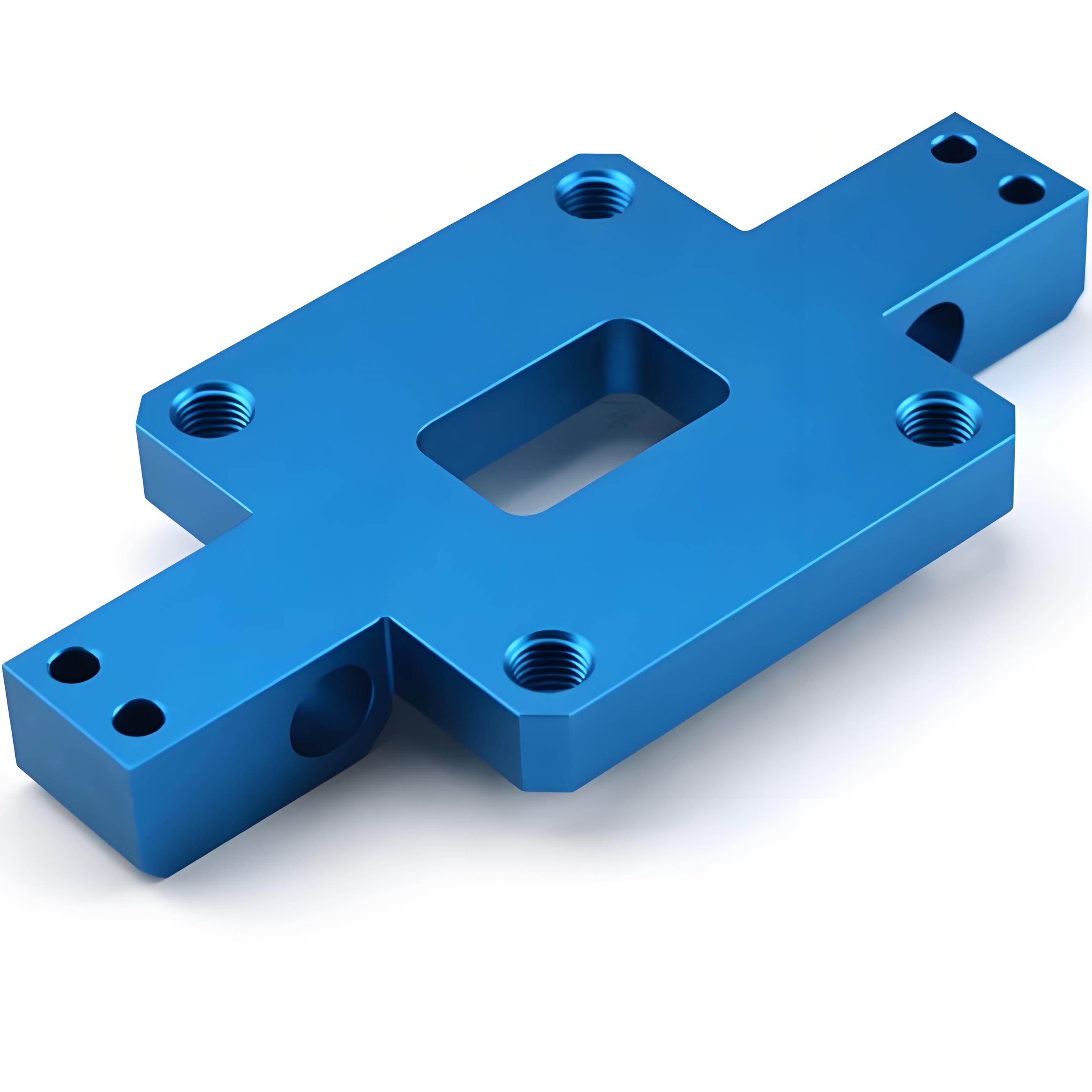
A deviation is a bounded permission to depart from a stated requirement. It needs a part and revision, affected quantity or lot, technical rationale, acceptance evidence, and an expiry or closure condition. An old concession should not silently become the manufacturing standard for every future order.
Separate an engineering change from a temporary deviation. If the product definition is wrong, revise it through the authorized process. If a particular lot is acceptable under restricted conditions, preserve those restrictions in its disposition. Keep rejected and accepted populations physically and digitally identifiable.
Consider a cosmetic mark outside the specified visible zone. Acceptance may be justified for one shipment, but the supplier still needs a clear image showing the location and a record explaining whether the next build must remove it. “Same as last time” leaves this unresolved.
Make shipment release dependent on the disposition reaching the receiving team. A correct concession hidden in a project manager’s mailbox does not help an incoming inspector understand why a labeled lot differs from the drawing.
Decision-gate and evidence matrix
Review changes according to their effect on product performance and acceptance. The matrix below is a starting framework, not a universal ranking of manufacturing risks. A seemingly cosmetic input becomes critical when it controls a sensor surface, an adhesive interface, or a visible matched assembly.
Document the decision and its evidence at the relevant gate. Avoid replacing an engineering assessment with a mandatory full requalification for every change; use the affected feature and failure mode to choose the scope.
| Change | Potential effect | Evidence before release | Disposition owner |
|---|---|---|---|
| Stock or resin grade | Movement, fit, conditioning | Material identity and affected-feature trial | Design/material authority |
| Fixture or datum setup | Location and inspection comparability | Setup review and correlated measurements | Manufacturing and quality |
| Finish source or system | Thickness, appearance, contact behavior | Finish specification and functional checks | Product authority |
| Tool or cavity repair | Geometry or surface change | Cavity-specific first-off results | Tooling and quality |
NIST’s uncertainty analysis explains why a result needs an assessment of its measurement quality. Where a change leaves little acceptance margin, evaluate measurement uncertainty before declaring two batches equivalent.
Worked repeat-order scope example
Assume an illustrative enclosure has two locating bores, a gasket land, and a visible coated cover. The baseline order used one fixture; the next supplier proposes two fixtures and a different coating source. No capability, price, or delivery figure is assumed.
First map each change to a characteristic. Splitting the machining setup raises the question of bore-to-land relationship, so request measurements in the functional datum frame and an assembly check using the mating locator. The coating change calls for mask-boundary review, finished clearance measurement, and comparison against the agreed appearance master.
The proposed trial need not repeat unrelated tests on every feature. It must, however, identify the two fixture routes separately and include parts from each. If results differ systematically, combining their averages is not evidence of continuity.
For molded variants, the prototype injection-molding route can support an early interface trial, but its approval should state whether production material, surface, and process conditions were represented. The release decision then follows explicit evidence rather than an assumed transfer of approval.
Acceptance records and limits of the prototype evidence
A successful prototype answers the questions it was built to test. It does not prove every repeat batch will retain the same performance, particularly when material, finish, or manufacturing route changes. Preserve the test objective alongside the result so later teams do not expand its meaning.
Retained samples can help diagnose a disagreement, but they do not supersede the drawing unless the release package explicitly assigns them that role. A sample can change through wear, moisture, contamination, or handling. Identify the reference features and the method used to compare them.
Calibration records support the measurement chain; they do not establish product approval by the calibration provider. NIST’s metrological traceability policy makes this distinction explicit. Keep instrument identification, relevant uncertainty information, and the actual test configuration with the result.
Close the record with the decision: accepted, rejected, or accepted under a specific concession. Attach the evidence to the released revision and lot. An unlabeled collection of photographs and reports leaves the next order exposed to the same interpretation problem.
Release and handover checklist for the next build
A repeat-order handover should let a new engineer reconstruct the acceptance decision without contacting the original project team. Organize it around product identity, process-sensitive controls, measurement evidence, and authorized changes. Keep obsolete alternatives accessible as history but clearly unavailable for production release.
Before approving the next build, confirm that the purchase order names the released revision, approved material and finish, required inspection deliverables, and the rules for substitutions. Include the retained reference identifier and the expiry of any temporary deviation. State who can approve a departure and how that approval reaches shipment release.
For an injection-molded part, preserve the relevant defect and appearance criteria as well as dimensions. The Eastman molding troubleshooting guide illustrates that molding defects have different mechanisms; a dimensional pass alone is not a complete surface or integrity assessment.
Finally, compare the proposed traveler or control plan against the baseline. Resolve missing operations before production begins. This review is more useful than discovering at incoming inspection that an assumed treatment or masking operation was omitted.
FAQ
Can a repeat order use a new machine without repeating every approval?
Potentially, if the machine change does not invalidate the evidence supporting the product requirements. Ask which characteristics depend on the changed setup, motion, thermal behavior, tooling, or process control, then define a focused trial for those risks. Keep the original acceptance criteria unless an authorized engineering change modifies them. A successful trial on the affected features may support release; the machine's brand or nominal capacity alone cannot establish equivalence.
How should a reorder handle an obsolete material grade?
Treat obsolescence as a proposed substitution with a documented comparison, rather than quietly selecting the nearest catalog description. Review the properties that drive the design, processing behavior, environmental exposure, finish compatibility, and any product-specific qualification. Record the exact replacement identity and the evidence required before approval. If the original specification names a manufacturer grade, changing to a generic family usually needs an explicit disposition, even when a distributor describes both materials similarly.
Is a photograph enough to preserve an appearance approval?
A photograph helps locate an issue and communicate intent, but lighting, exposure, display settings, viewing angle, and surface texture can change what it shows. Define the observation conditions and retain an identified physical master when appearance is important to acceptance. Separate color, gloss, texture, and allowable local defects rather than labeling the whole surface "acceptable." If a master is damaged or replaced, record the replacement decision so later orders do not inherit an undocumented visual standard.
Conclusion
The next order should inherit a defensible acceptance decision, not just a part number and an old invoice. Preserve the requirements that control fit and performance, retain comparable evidence for the features at risk, and make substitutions visible before they reach production.
A practical release package allows justified process improvements while preventing unreviewed changes to material, finish, critical geometry, or inspection. Its strength comes from clear responsibility: the supplier identifies a proposed change, the technical owner defines the evidence, and the shipment record shows the final disposition. Temporary concessions remain bounded, and prototype results retain their original scope.
6CProto’s DFM review and project-management workflow can support discussions across prototyping and subsequent manufacturing stages. To scope a repeat build, submit the released CAD, drawing, baseline reports, and proposed change list for quotation. Include the decision owner so technical questions can be resolved against the approved requirements.
{“@context”: “https://schema.org”, “@type”: “FAQPage”, “mainEntity”: [{“@type”: “Question”, “name”: “Can a repeat order use a new machine without repeating every approval?”, “acceptedAnswer”: {“@type”: “Answer”, “text”: “Potentially, if the machine change does not invalidate the evidence supporting the product requirements. Ask which characteristics depend on the changed setup, motion, thermal behavior, tooling, or process control, then define a focused trial for those risks. Keep the original acceptance criteria unless an authorized engineering change modifies them. A successful trial on the affected features may support release; the machine’s brand or nominal capacity alone cannot establish equivalence.”}}, {“@type”: “Question”, “name”: “How should a reorder handle an obsolete material grade?”, “acceptedAnswer”: {“@type”: “Answer”, “text”: “Treat obsolescence as a proposed substitution with a documented comparison, rather than quietly selecting the nearest catalog description. Review the properties that drive the design, processing behavior, environmental exposure, finish compatibility, and any product-specific qualification. Record the exact replacement identity and the evidence required before approval. If the original specification names a manufacturer grade, changing to a generic family usually needs an explicit disposition, even when a distributor describes both materials similarly.”}}, {“@type”: “Question”, “name”: “Is a photograph enough to preserve an appearance approval?”, “acceptedAnswer”: {“@type”: “Answer”, “text”: “A photograph helps locate an issue and communicate intent, but lighting, exposure, display settings, viewing angle, and surface texture can change what it shows. Define the observation conditions and retain an identified physical master when appearance is important to acceptance. Separate color, gloss, texture, and allowable local defects rather than labeling the whole surface \”acceptable.\” If a master is damaged or replaced, record the replacement decision so later orders do not inherit an undocumented visual standard.”}}]}